Laura Laaksonen, University of Turku, lmelaa@utu.fi
This story goes back to 2024 when I was flying home from Svalbard, Norway, after my first course at UNIS – university centre of Svalbard. During the course, I realized that I wanted to do a PhD, and I wrote applications for three different positions at the Oslo airport during my 8-hour layover. Eventually, I chose to accept the position in the DIWA PhD Pilot, and that’s how my story began as a Doctoral Researcher. Thus, at the beginning of my second year, I started to lack confidence as a researcher, and therefore I wanted to go back to the place where I had felt the most inspired by science. But as I went back to Svalbard, I wasn’t prepared to fall in love with being a marine geomorphologist again and being able to talk about “boring” moraines every day with fellow young researchers!
Crash Course in Arctic Climate History
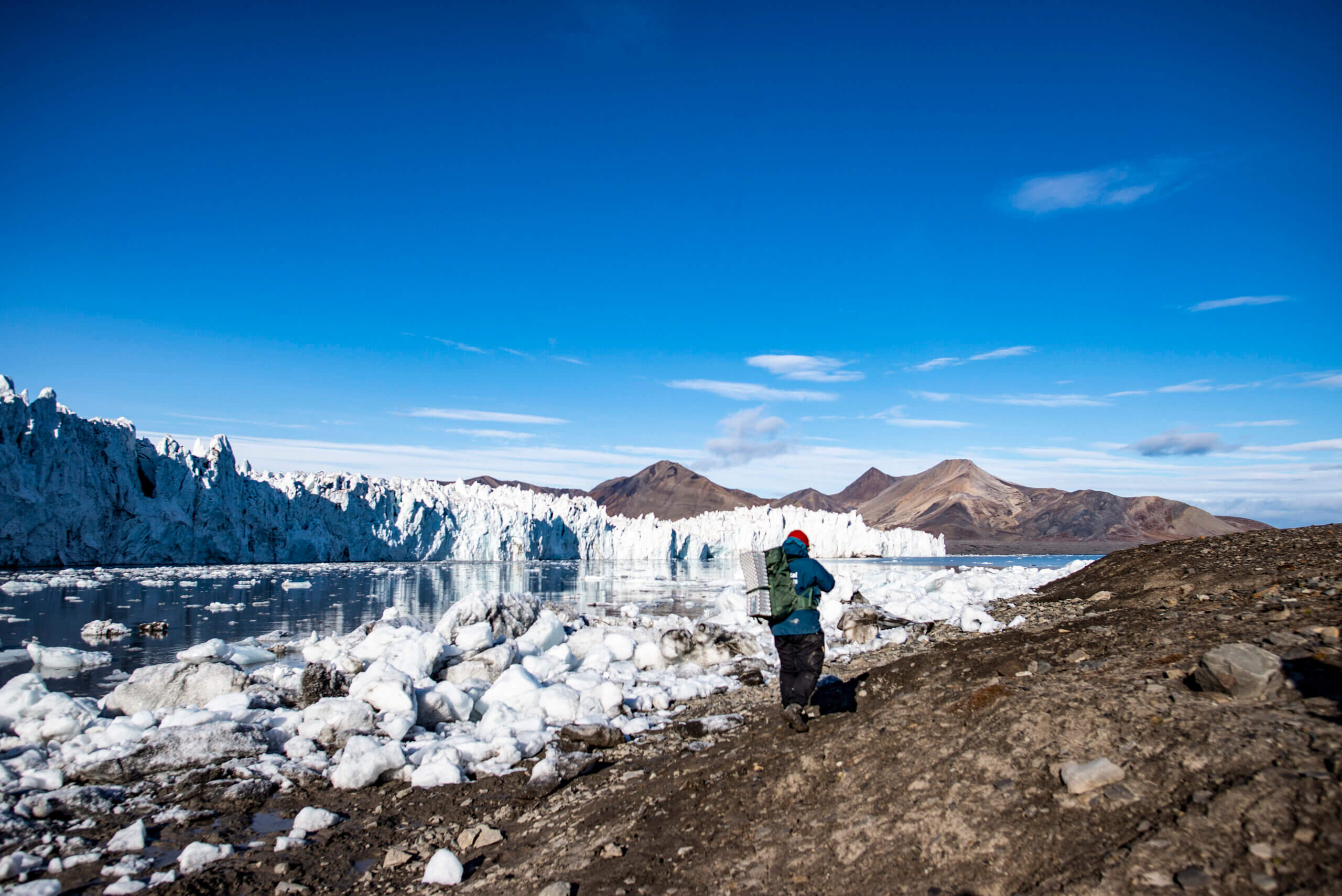
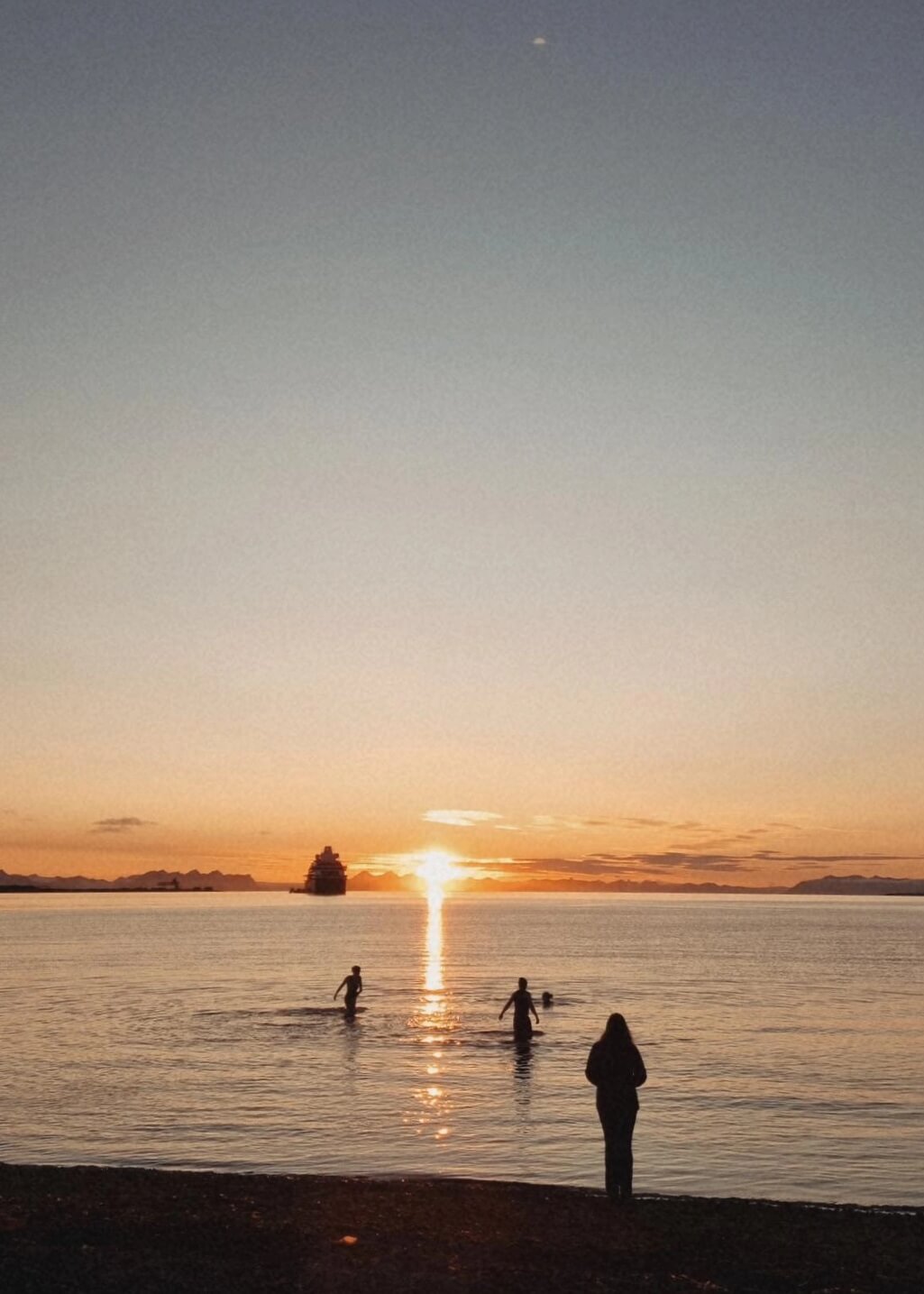
Last time at UNIS, my experience as a master’s student was more like a scientific vacation. This time, the course “Arctic Terrestrial and Marine Climate History” was a scientific pressure cooker with Harvard-style nine-to-five lectures and the rest of the day spent preparing for the next day’s seminars. Sometimes there was no time for proper grocery shopping or preparing meals, especially when you decided to have an ice-cold dip in the ocean during lunch break. Thus, I’m not complaining; I learned that this is the type of environment where I shine as a researcher.
The aim at the beginning of the course was to introduce us to both marine and terrestrial proxies as archives for studying past climates before the scientific cruise that took place from 3.-7. of September 2026. This included different chronological proxies and dating methods, for example marine micropaleontological biomarkers such as foraminifera, and terrestrial methods such as geomorphological analysis of the exposed terrains and radiocarbon dating of seashells or whale bones. This was a lot of information compacted into less than 3 weeks. Hence, it was enough time to prepare us for the upcoming cruise to the northernmost island group of Svalbard, Sjuøyane.
Sediment Cores and Midnight Hikes
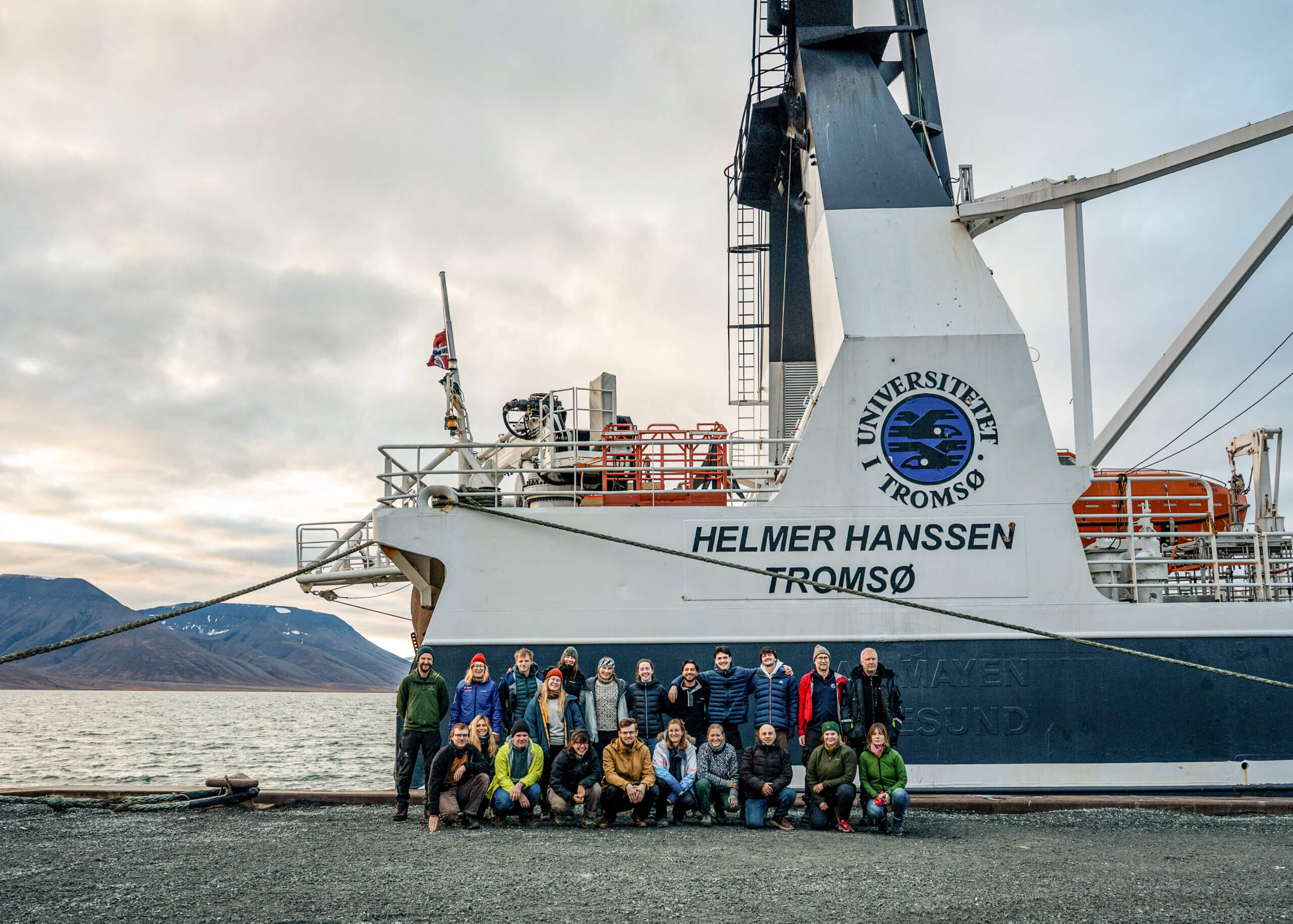
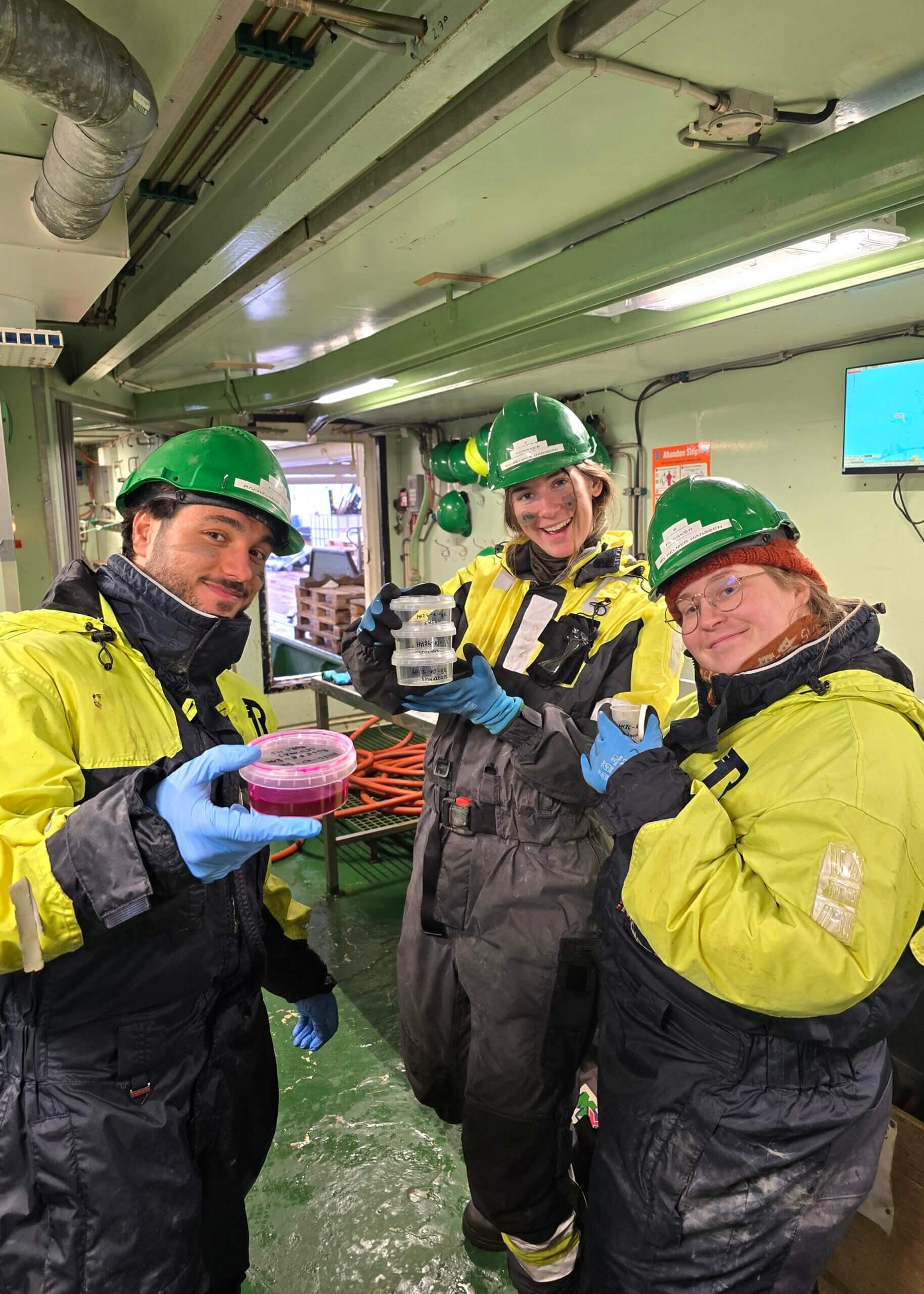
On the 3rd of September, research vessel Helmer Hanssen (UiT) started to head towards Sjuøyane (Seven Islands) and possibly even land us in Phippsøya (80°43′N 20°47′E). The landing never actually happened due to weather conditions and polar bear safety, but we managed to take sediment gravity cores around the islands.
After three days on the ship, our lovely professors decided to take us on a night hike on the northern beaches of Spitsbergen. It was at least an interesting experience to hike in the midnight sun with early September snowflakes falling on our beanies. But I have to say that after less than 3 hours of sleep due monitor night watch, I might not have had best sedimentological abilities to analyze where this strange moraine originated at 1am.
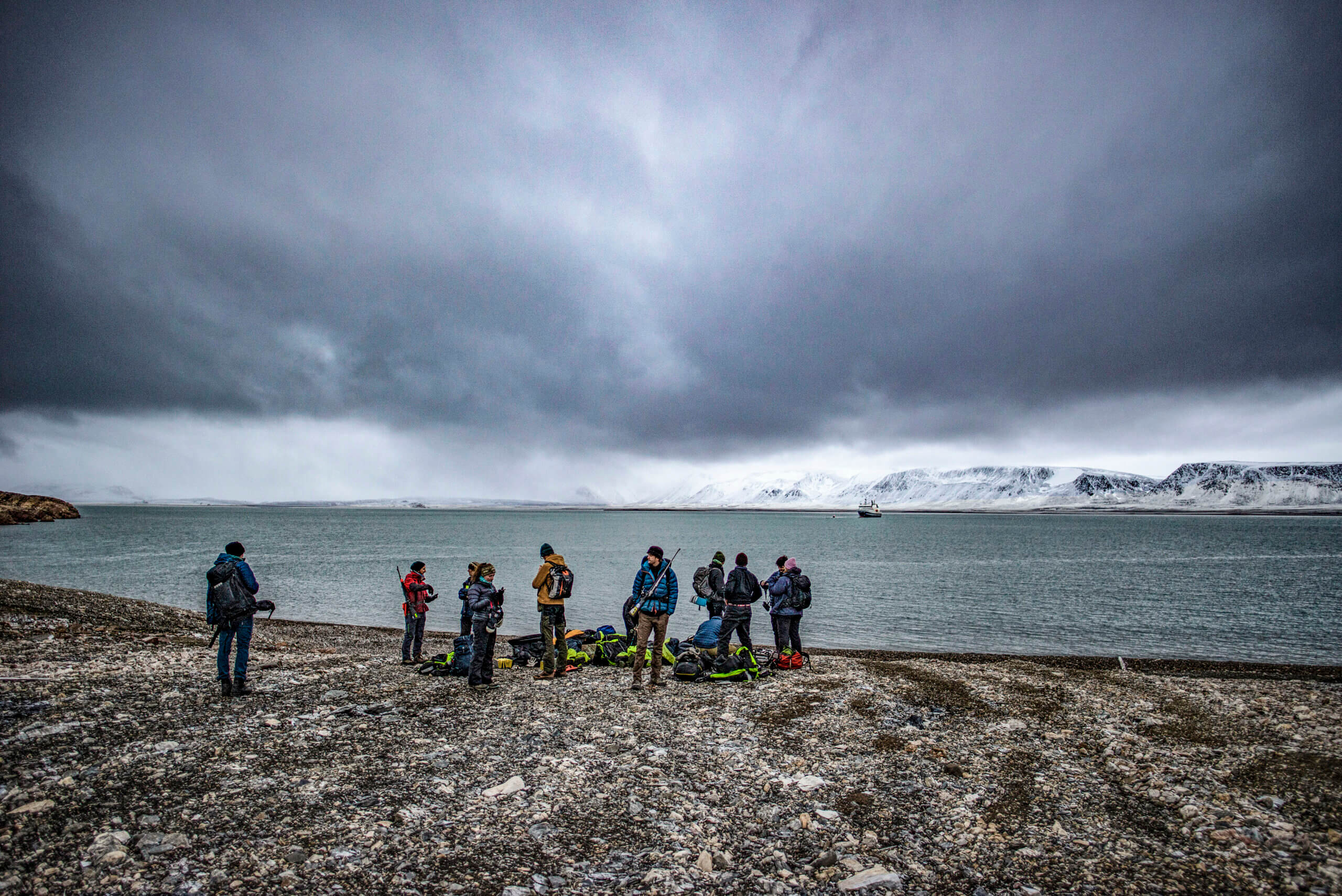
Then during our sail back to Longyearbyen, we stopped by fjords to take multicores from soft seafloor sediments. The last group had it rough when we entered from archipelago settings to more exposed offshore waters, and 2–3-meter waves splashed over the bow. I slept through the night and didn’t suffer any seasickness, but to be fair, I have been sailing since 1995; big waves just eventually made me excited.
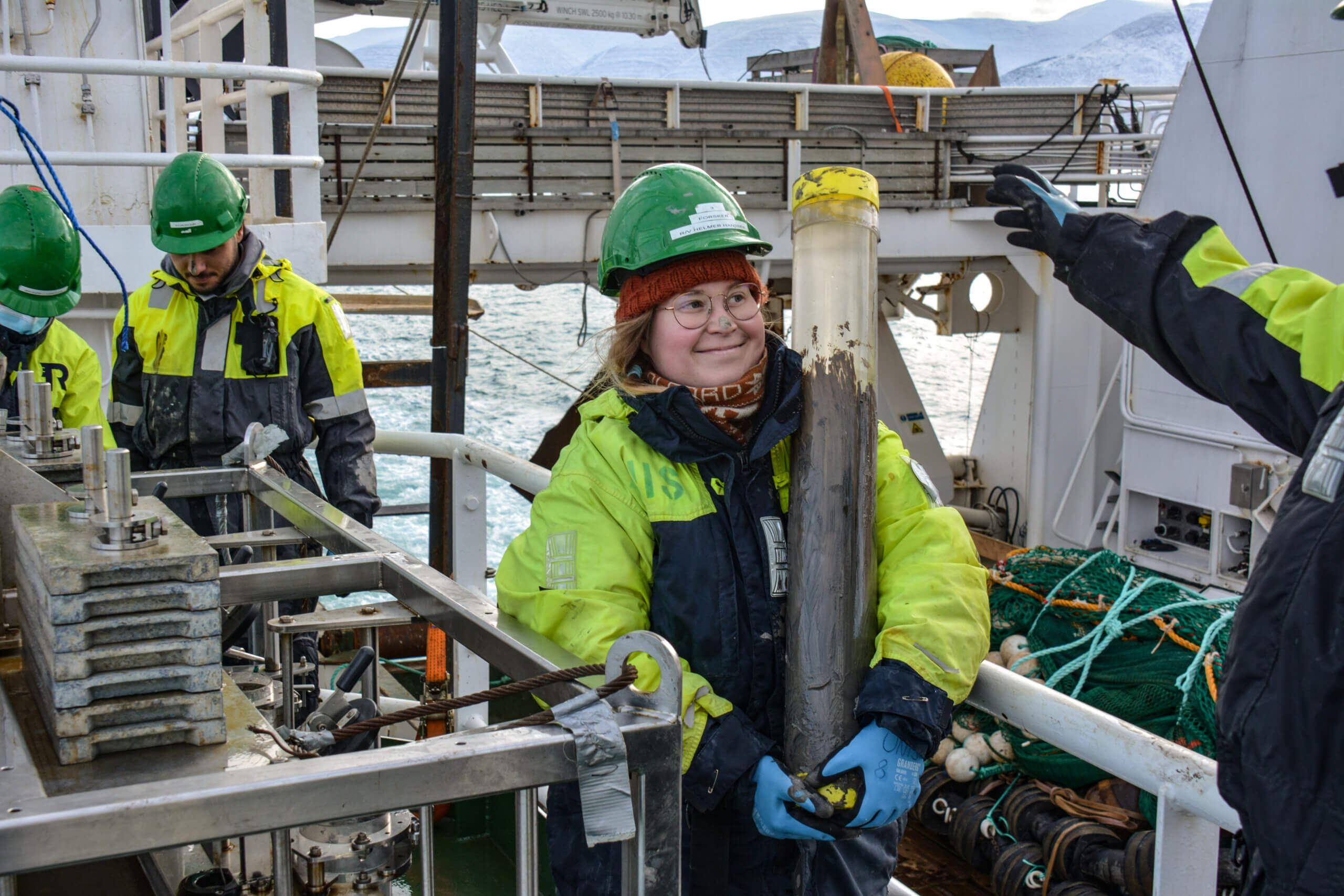
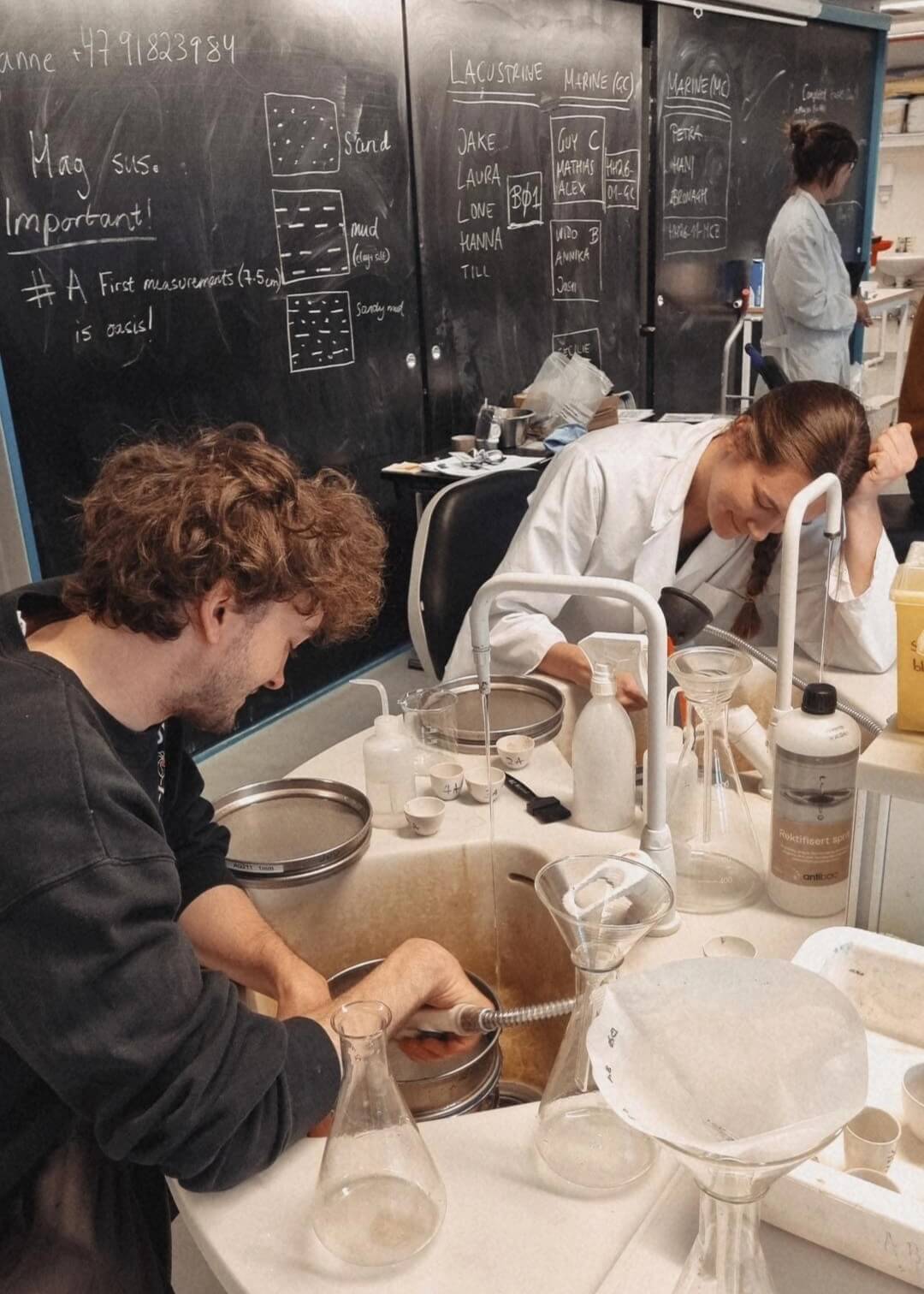
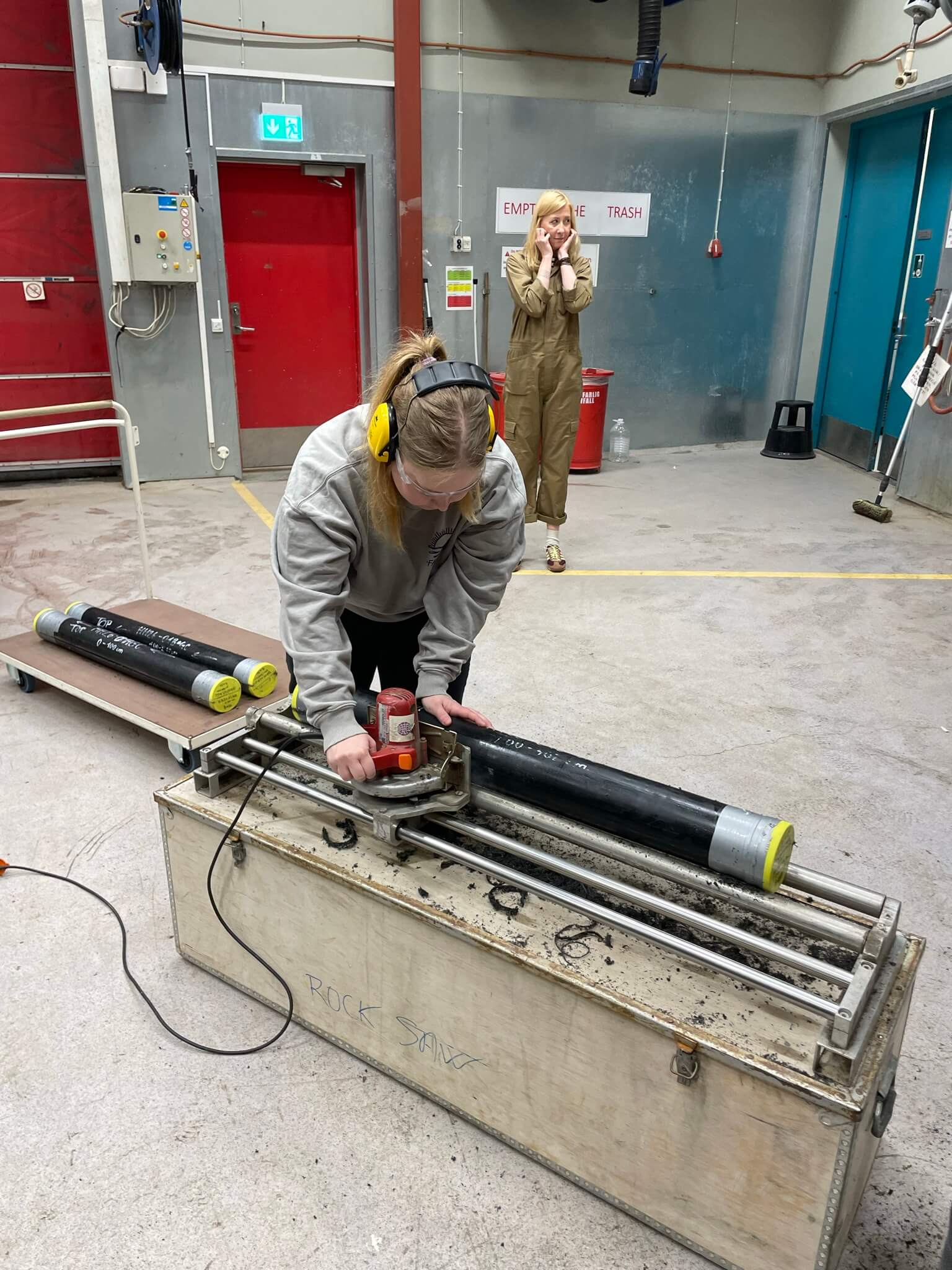
After the cruise, we started to work with the sediment cores that had been collected during the cruise, but there was also a possibility to choose a lake core from the archive. I decided to go with a lake core as I found it interesting after giving a presentation at the beginning of the course about detecting palaeostorminess in coastal lake cores. But our lake core was taken from a mountain valley and was exposed to very different sediment sources than what I was familiar with.
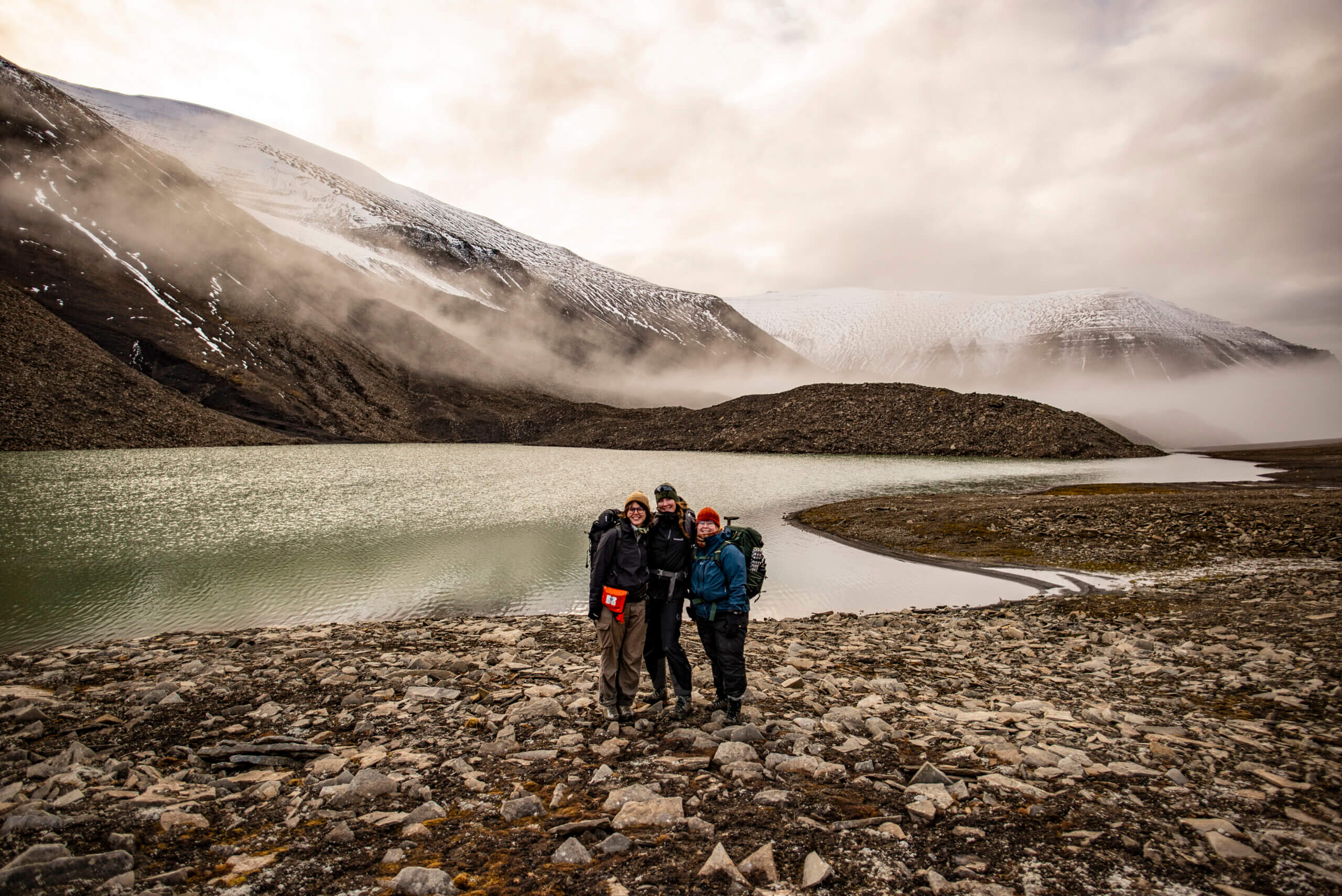
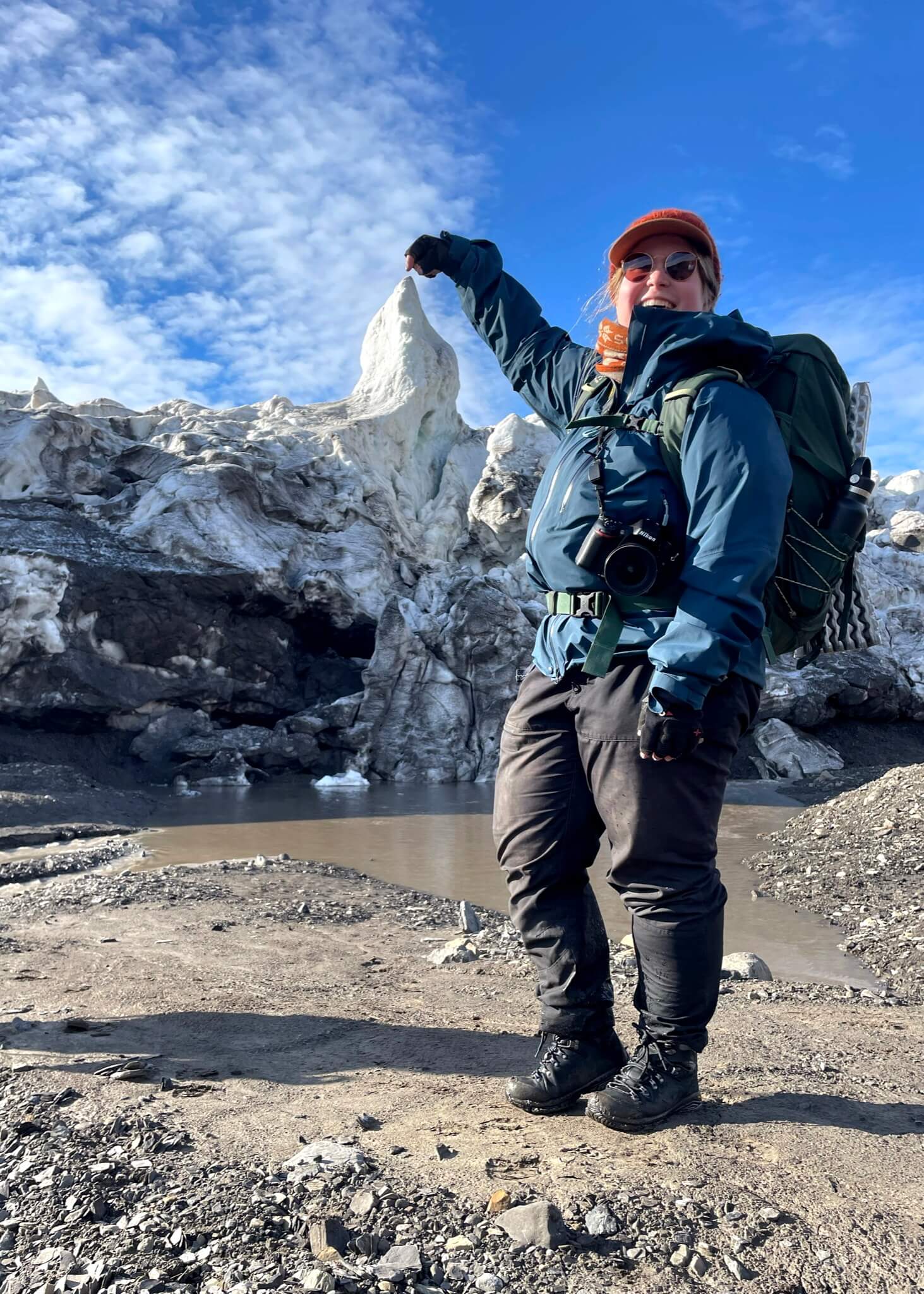
To understand our core, we decided to take a 26 km Saturday hike with 410 m elevation to our lake. The surroundings of the lake were just amazing: how all different sedimentary processes were feeding particles into the lake basin. Eventually I got a bit of an identity crisis as a passionate marine geomorphologist getting excited about lake coring. Maybe Arctic Lake coring is my calling, just maybe.
What doesn’t kill you makes you stronger
The last week was our final sprint: group presentations of our lab work, individual posters of the lab results, a pico-presentation about the poster, and for five of us Doctoral Researchers, a Nature-style lab report about our cores. I wouldn’t have survived this without the support and encouragement of my talented fellow students who managed to turn this introvert Finn into someone who enjoys being around people and spends time in kitchen C214. My time in Svalbard was filled with joy and moraines, ball games and logging, laughter and foraminifera.
I returned home not quite the same doctoral researcher who had left seven weeks earlier. The experience helped me grow as a young scientist, strengthened my belief in my own ideas, and encouraged me to embrace leadership with greater confidence. I also came back as a microplastics researcher with hundreds of photos showing the reality of plastic pollution on Svalbard’s beaches. Perhaps one day I will take my research, or even a future “lunch moraine” study, from the Archipelago Sea to Svalbard and continue living life to the fullest on the island that feels like home.
Acknowledgements
Thank you, for Anna Pienkowski and Christine Lockwood-Ireland for challenging us as young researchers, Nína Aradóttir, Anders Schomacker and Riko Noormets for the scientific company at the cruise, the crew in Helmer Hanssen, and all of my amazing fellow students that made the time in Svalbard one of the happiest 7 weeks of my life.
I would like to thank Lone for making me swim every day in the freezing Arctic Ocean, and even in our research lake; Hanna for helping me realize that I am more capable than I ever thought; Till, I’ll call you when I have my own research group; Petra for making science fun; Wido for making me dance; and Jake for reminding me, whenever I became anxious about my microplastics research during the cruise, how special it was that we were sailing above 80°N.
Thank you to Maa- ja vesitekniikan tuki ry and Turun Yliopistosäätiö for travel grants that made this expedition possible for me!
26.10.2026