
Christoph Gocht, University of Oulu, Christoph.Gocht@oulu.fi
Water is the foundation of all life. It is simultaneously a public good, a basic human necessity, and a valuable yet finite resource. However, water resources worldwide are facing increasing pressures, and the Oulujoki River is no exception to this global trend. The growing tensions have recently become particularly evident in the controversy surrounding the construction of a new Google data center in Muhos, approximately 40 km southeast of Oulu in Northern Finland.
Growing pressures on water resources
Water resources are increasingly threatened by multiple, interconnected pressures that often occur simultaneously. One major pressure is climate change, which alters hydrological conditions through shifting rainfall and snowfall patterns, seasons, and changing temperatures, particularly in the Nordics. These changes directly affect water availability. Another pressure is human activities, including urban development, agriculture, and land-use changes, which further affect water quantity, quality, and the surrounding ecosystems.
Technological development is also a significant stress factor, shaping water systems and the ways they are managed. Whilst technological advancements offer considerable potential for more efficient and sustainable water management, the infrastructure supporting digitalization also places additional demands on water resources. Finland is becoming an increasingly attractive location for big global tech companies seeking to expand their large data center infrastructure, a critical component of the ongoing digital transformation worldwide. This growing interest is no coincidence. Finland’s cool climate and water resources offer favorable conditions for data center operations, particularly by reducing the energy required for cooling.
The Muhos data center case
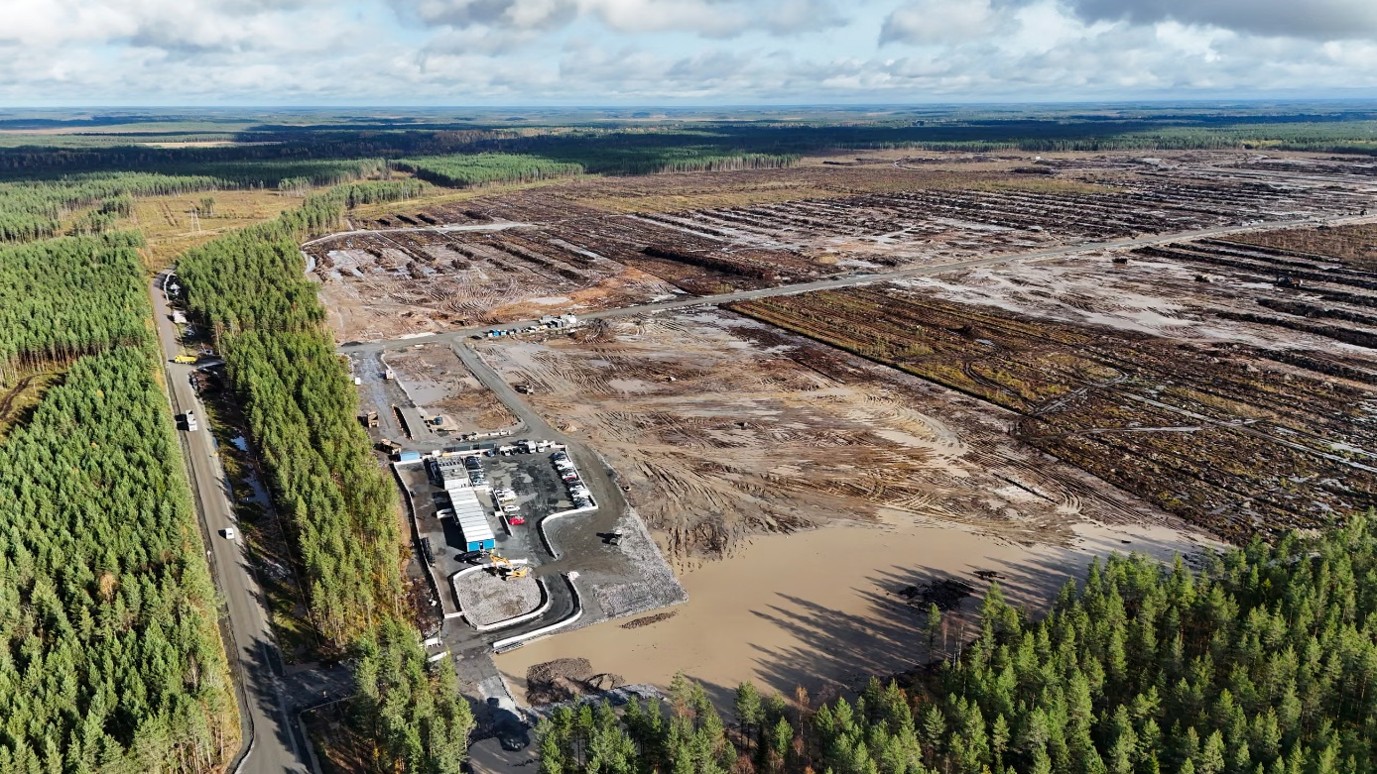
The most recent developments in the Oulujoki catchment illustrate these growing tensions between technological progress, competing water demands, and the sustainable management of limited natural resources. As recently reported by The Guardian1, the cutting down of 250.000 trees near Muhos for the development of a new data center (Photo 1), without the necessary permits, sparked public outcry. Not only among the local population, but nationwide and even beyond. People’s concerns primarily revolve around its implications for Finland’s natural environment and nearby communities, a potential rise in energy prices, the use of Finland’s renewable energy sources, and data center regulations.
Water governance and public participation
But one critical emerging issue deserves a lot more attention: The availability and sustainable management of water resources. The rapid expansion of data center infrastructure is placing increasing pressure on water resources, as growing demand for cooling intensifies competition for water between technological, societal, and environmental needs. Furthermore, the case raises important questions about how debates around water resources management are organized and shaped, as well as about the roles of different actors, including the general public, in decision-making processes. It also brings attention to issues of transparency, conflict resolution, and equitable access to information, water, and water resources management in general.
Towards inclusive and sustainable water governance
These questions are not merely technical but increasingly raise fundamental ethical concerns. Although Finland has launched criminal investigations into that case2, important questions remain, reflecting a broader debate about sustainable development. Sustainability is more than just environmental protection; it also involves digital and social sustainability, and the responsible use of natural resources.
This brings us to fundamental questions: How can we balance the opportunities offered by digital transformation with ecological concerns and social sustainability? And if we are committed to sustainable development and management of scarce water resources, how do we reconcile competing interests?
Open and inclusive dialogue is essential to ensure that these transformations contribute to sustainable development. Rather than treating competing or diverse interests and societal concerns as obstacles to progress, we must recognize them as fundamental questions that belong at the heart of public debate and decision-making. We are navigating profound transformations that affect all people. Not only in Finland and the Nordic countries, but worldwide. Participatory water governance is essential to navigate these transformations, ensuring that competing interests are openly discussed, local communities have a voice, and decisions about water resources reflect broader societal, environmental, economic, and technological concerns and needs. Successfully managing these changes requires more than technological innovation and effective governance. It relies on public trust, support, and meaningful participation.
References
- ‘Pure arrogance’: anger in Finland as Google illegally fells 250.000 trees for datacentre – Company ordered to stop work at two sites in country, which has found itself at forefront of tech firms’ latest push (‘Pure arrogance’: anger in Finland as Google illegally fells 250,000 trees for datacentre | Environment | The Guardian, last accessed 03.11.2026)
- Finland launches criminal investigation into Google’s clearing of forest for datacentre site – Authorities allege company may have breached Finnish environmental laws by forgoing required impact assessment (Finland launches criminal investigation into Google’s clearing of forest for datacentre site | Finland | The Guardian, last accessed 03.11.2026)
23.11.2026