Oulankajoki River

Oulankajoki river

About the supersite

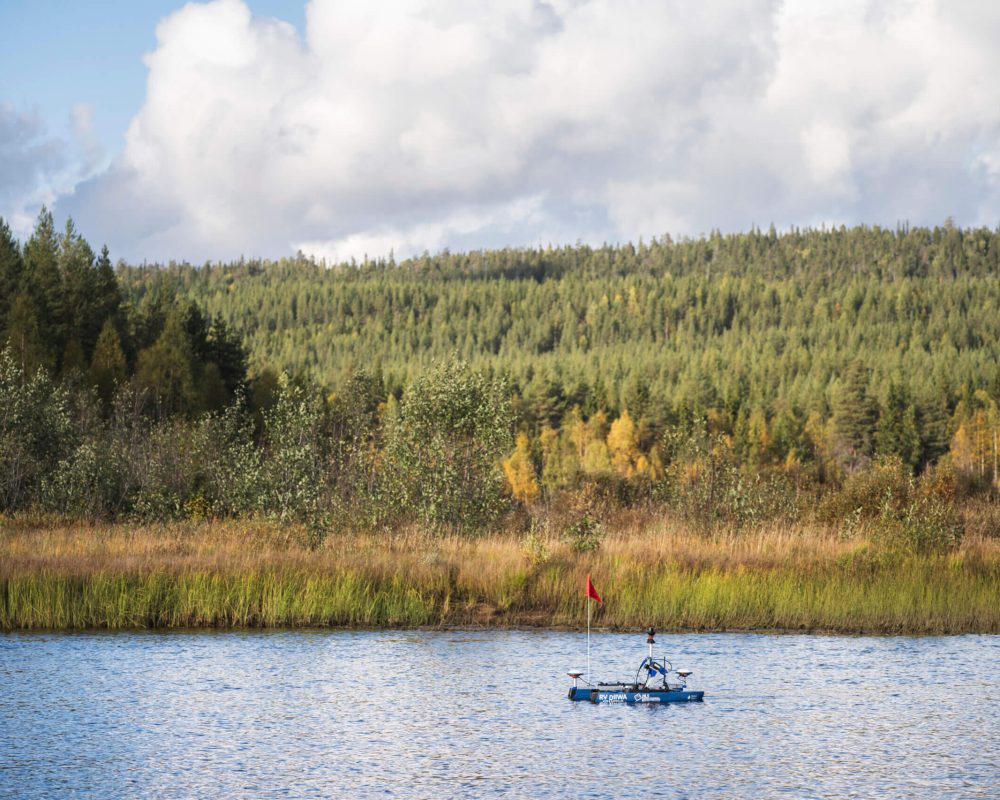
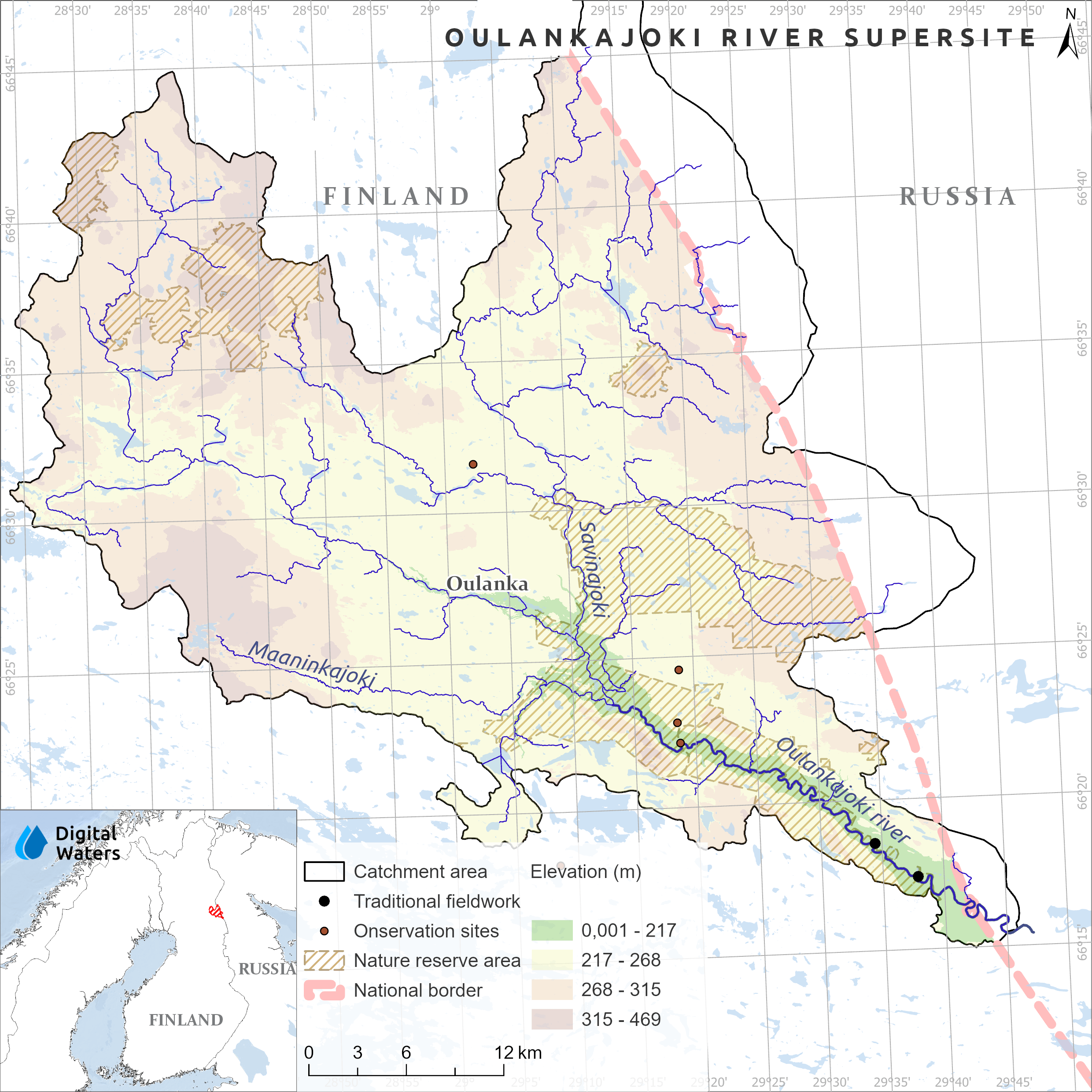
The Oulankajoki River supersite is located in north-eastern Finland in the Oulanka River valley. It is situated near Finland’s eastern border, and the meandering Oulankajoki River runs from the Oulanka National Park towards Lake Paanajärvi in Russia. 

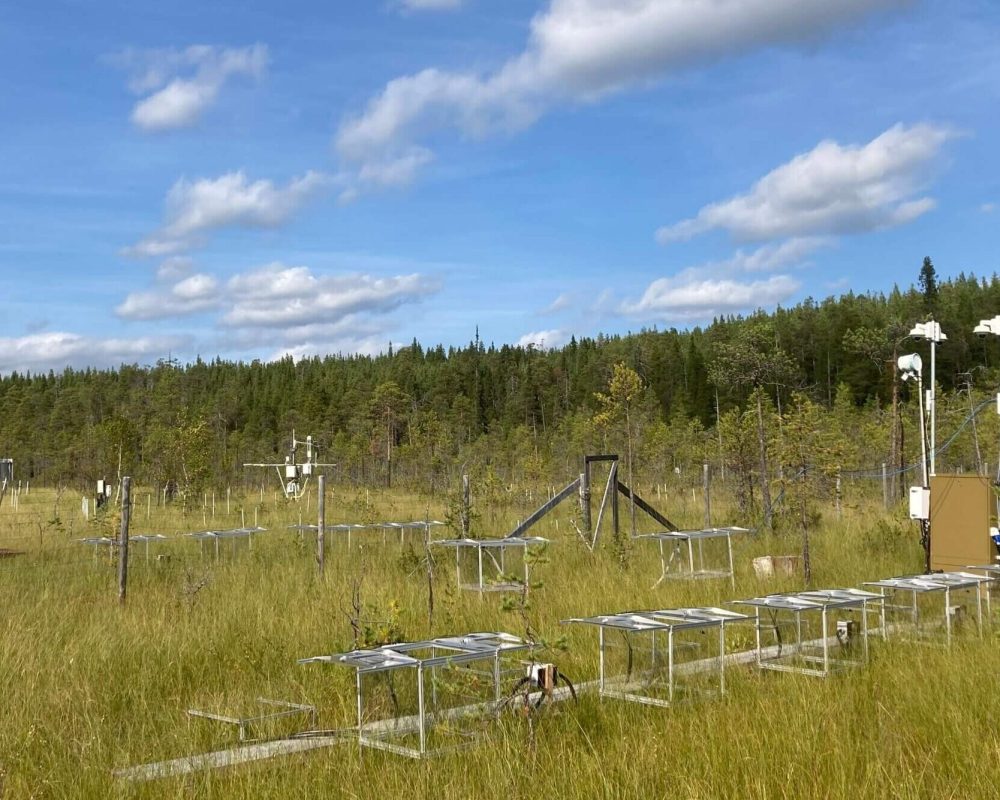
The Oulankajoki River supersite consists of the Oulankajoki River catchment, river channel, the EcoClimate long-term monitoring sites at the Oulanka Research Station, and other research station facilities. The site is also part of several international networks.


Unique features
This transitional landscape combines northern, southern, and eastern ecosystems, supporting exceptional biodiversity and habitat diversity.

As free-flowing, near-pristine system with minimal human activity, the Oulankajoki River and its surrounding catchment are an ideal natural laboratory for studying how northern environments respond to a changing climate, and for testing new measurement technologies. 

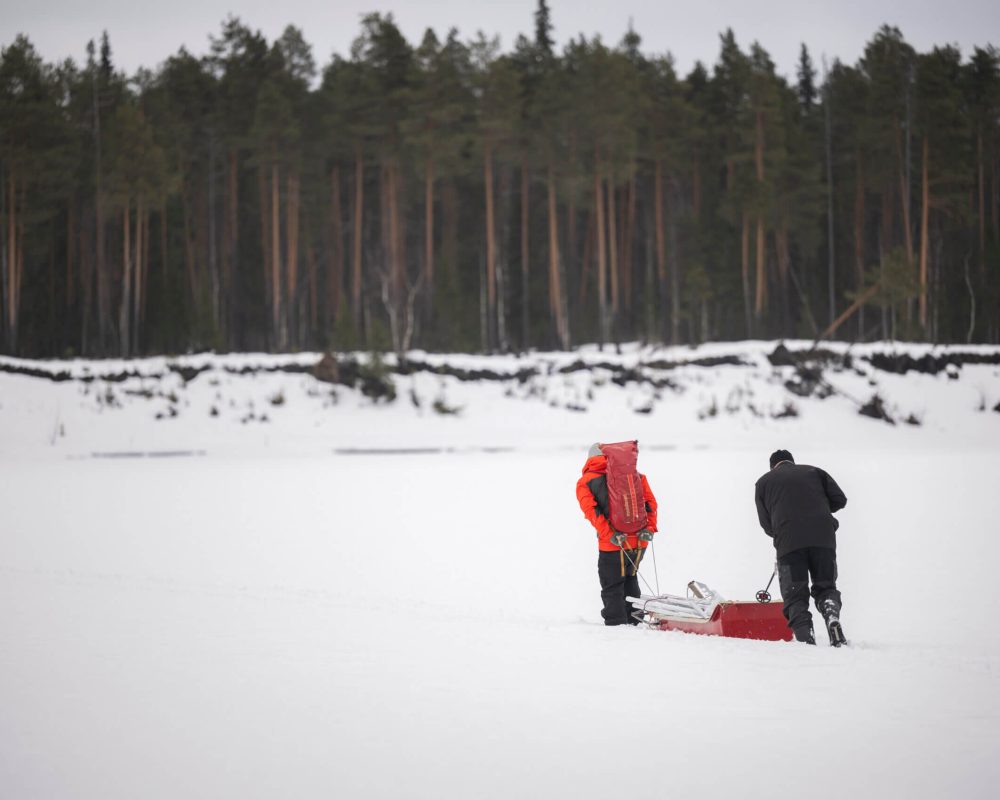
Research at the supersite centers around understanding water-carbon interactions in subarctic conditions, continuous monitoring of stable water isotopes, studying different cryosphere processes such as changing snow conditions, freeze-thaw cycles, and river-ice, as well as riverine geomorphology and fluvial dynamics.  

By integrating innovative measurement technologies (such as UAV remote sensing and continuous isotope tracking) with field data, these multidisciplinary observations feed into hydrological models to advance process understanding from the Oulankajoki catchment to Arctic and nationwide scales. 

Oulanka Research Station

Located in Kuusamo, the Oulanka Research Station is a regional unit of the University of Oulu and part of its Infrastructure unit. Currently, the station facilitates multidisciplinary research and provides long-term EcoClimate measurements to support ecosystem-level climate change studies.

River measurements (Jäkälämutka & Honkamutka)

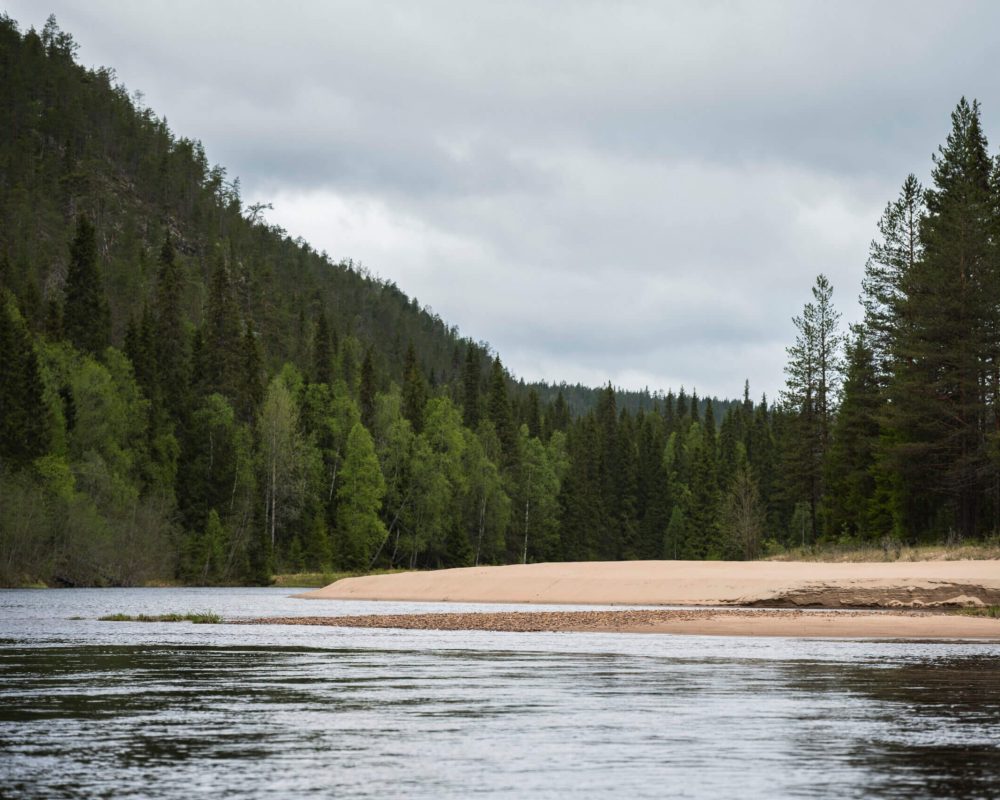
The Oulankajoki River flows through a bedrock-confined valley filled with thick glaciofluvial deposits. In its downstream reaches, the river forms actively migrating meanders, where erosion and sediment deposition continuously reshape the channel, riverbanks and gravel bars. 

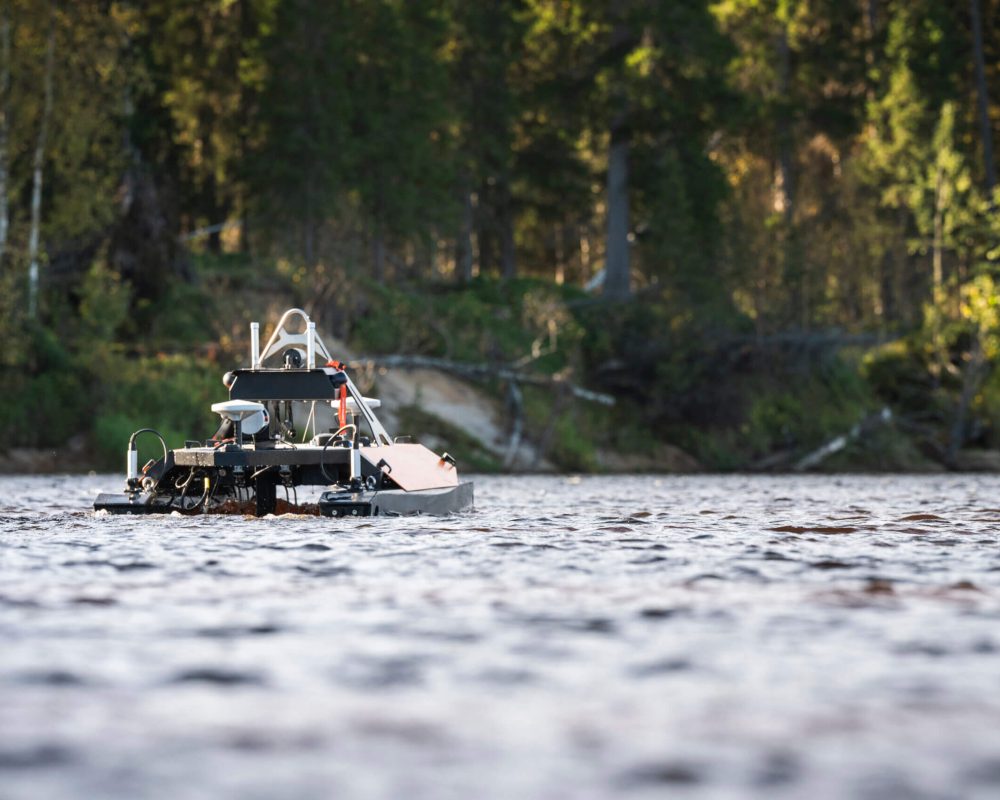
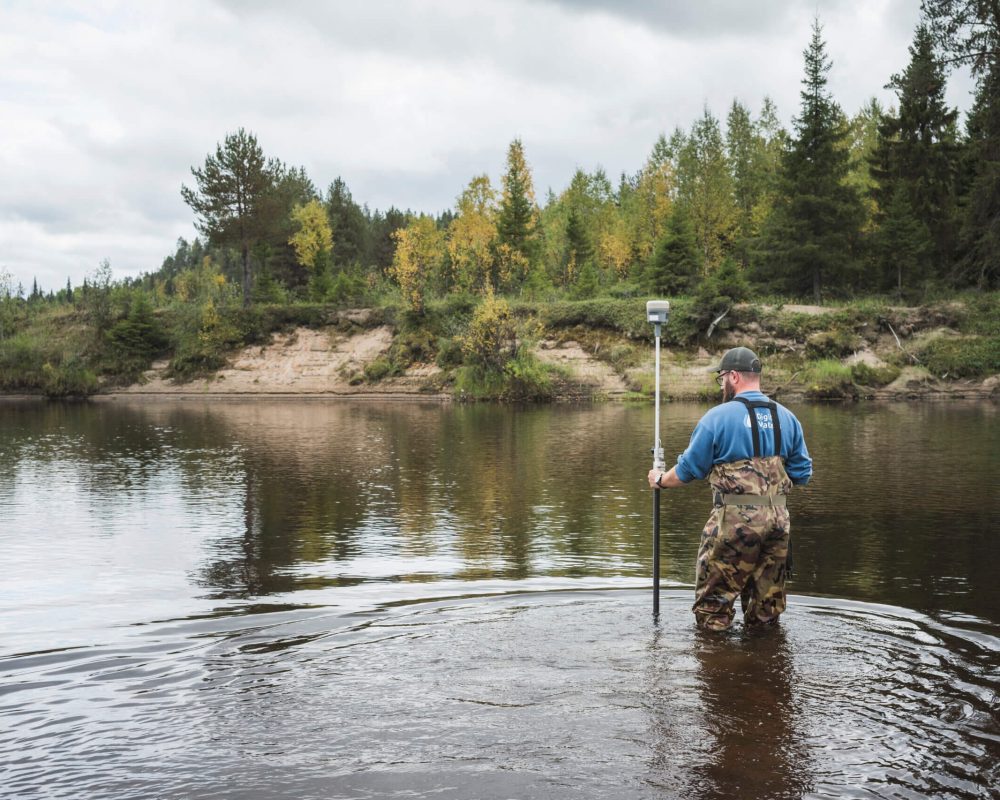
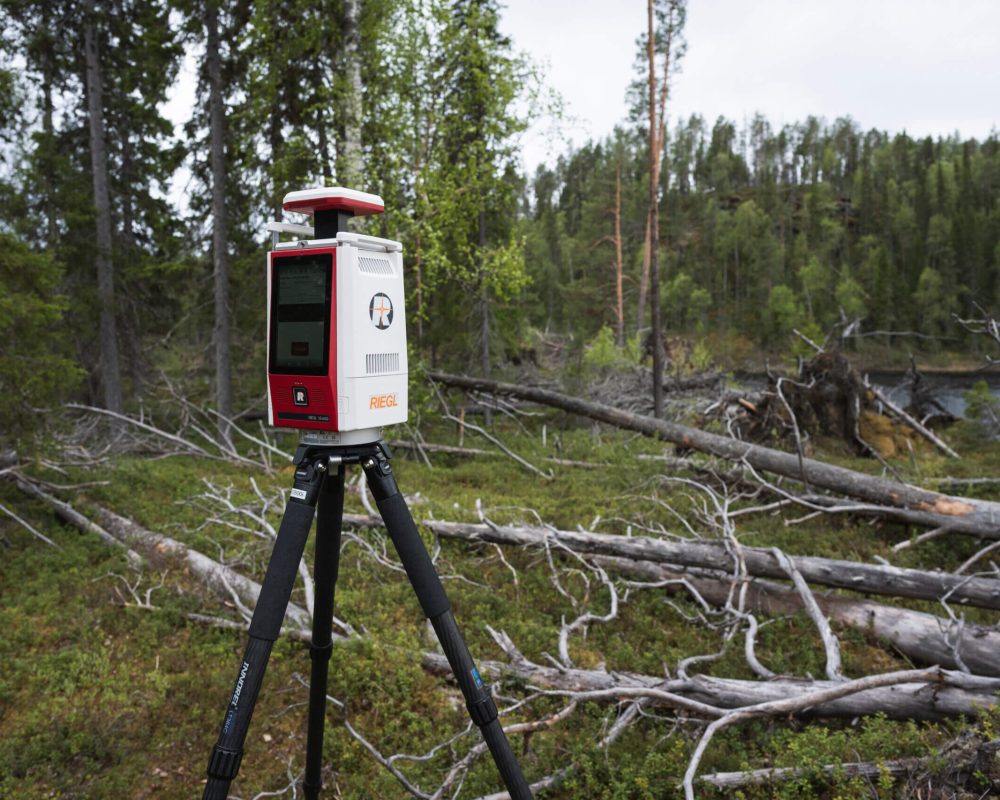
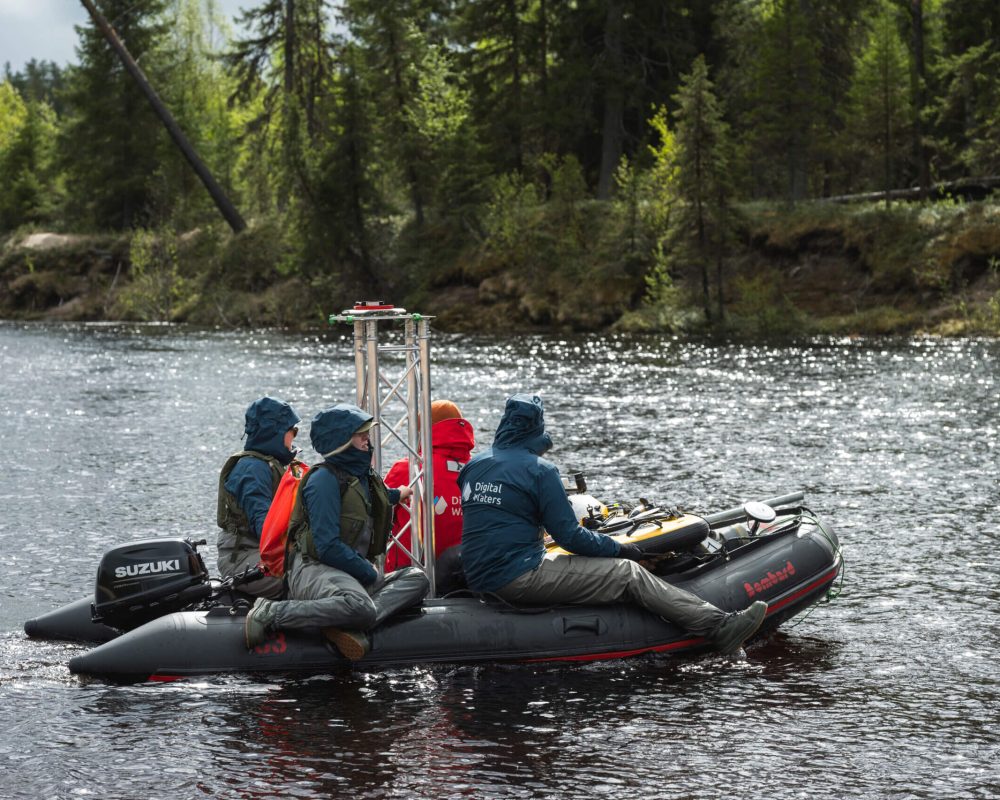
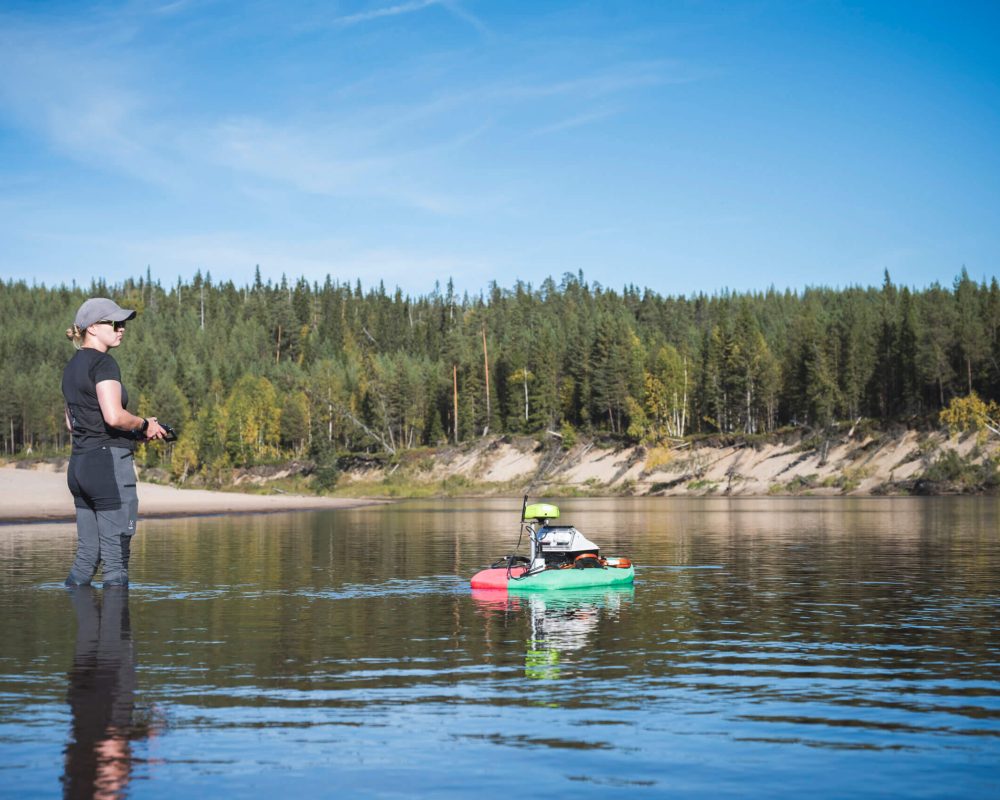
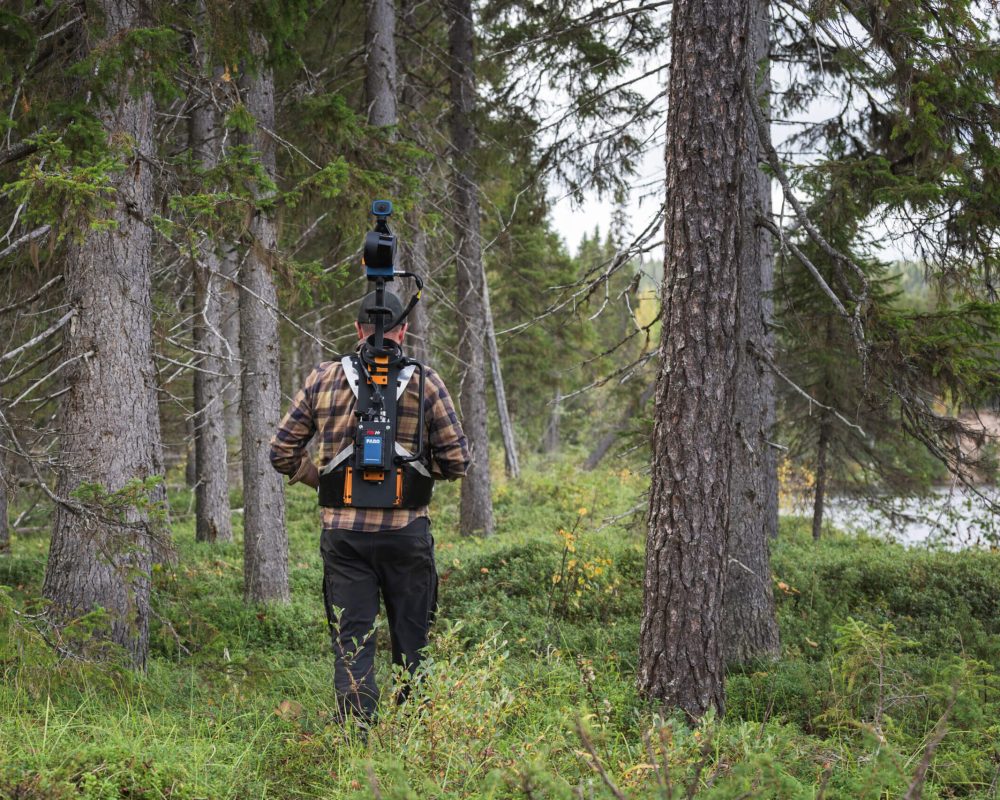
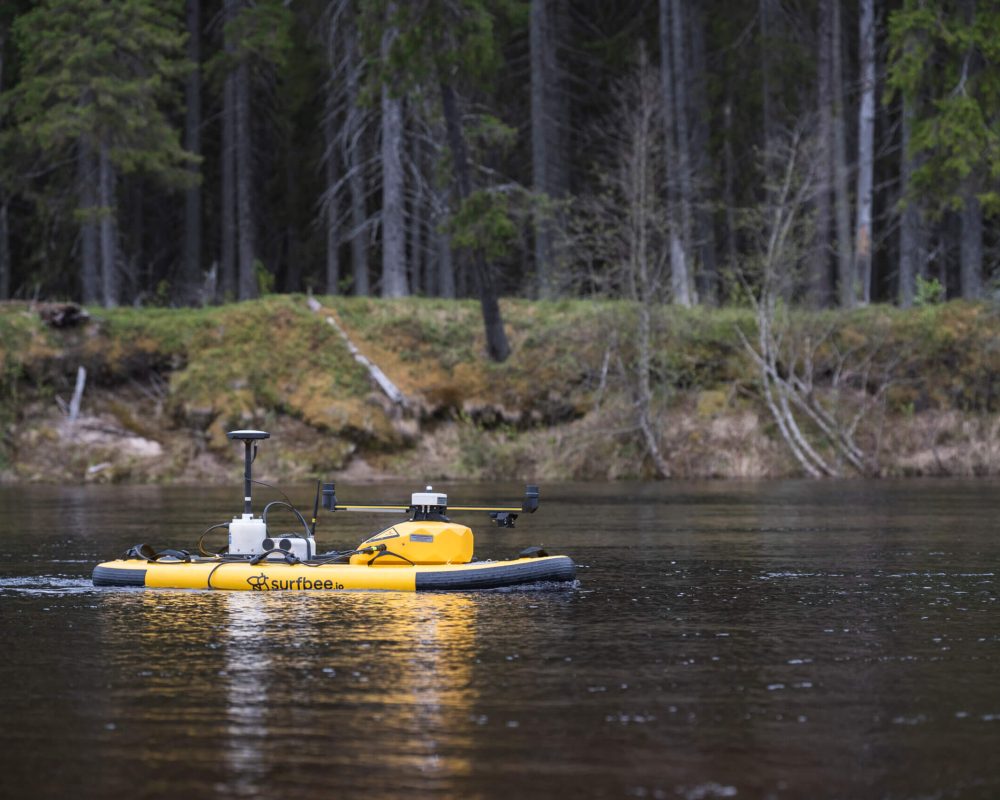
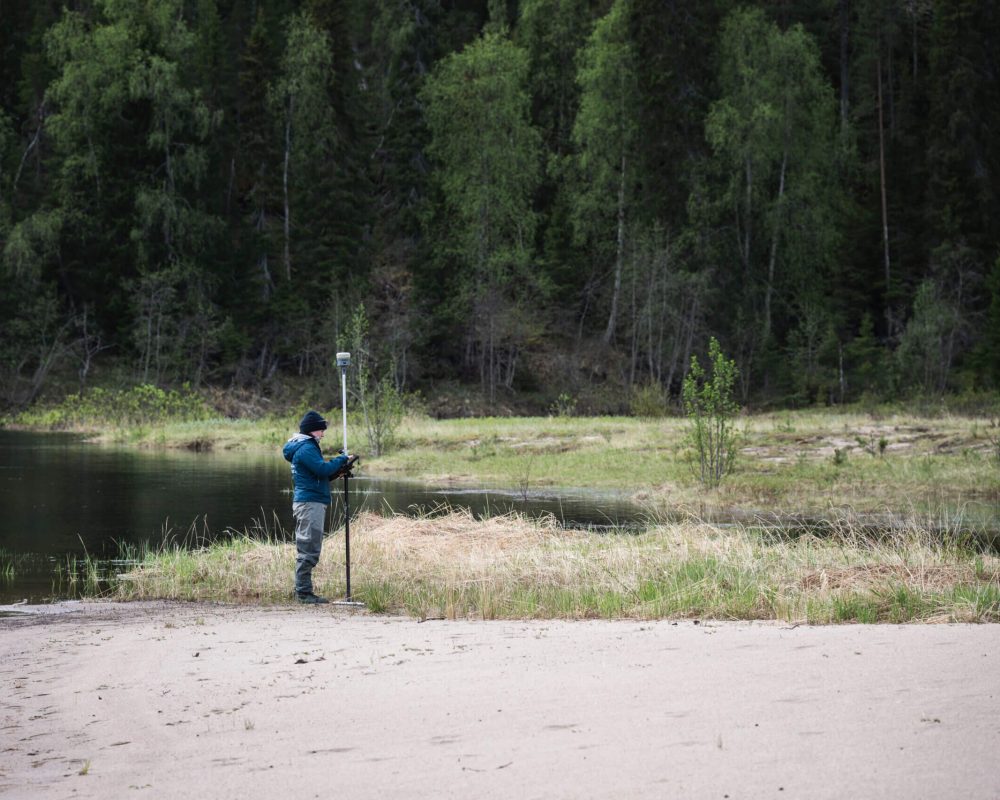
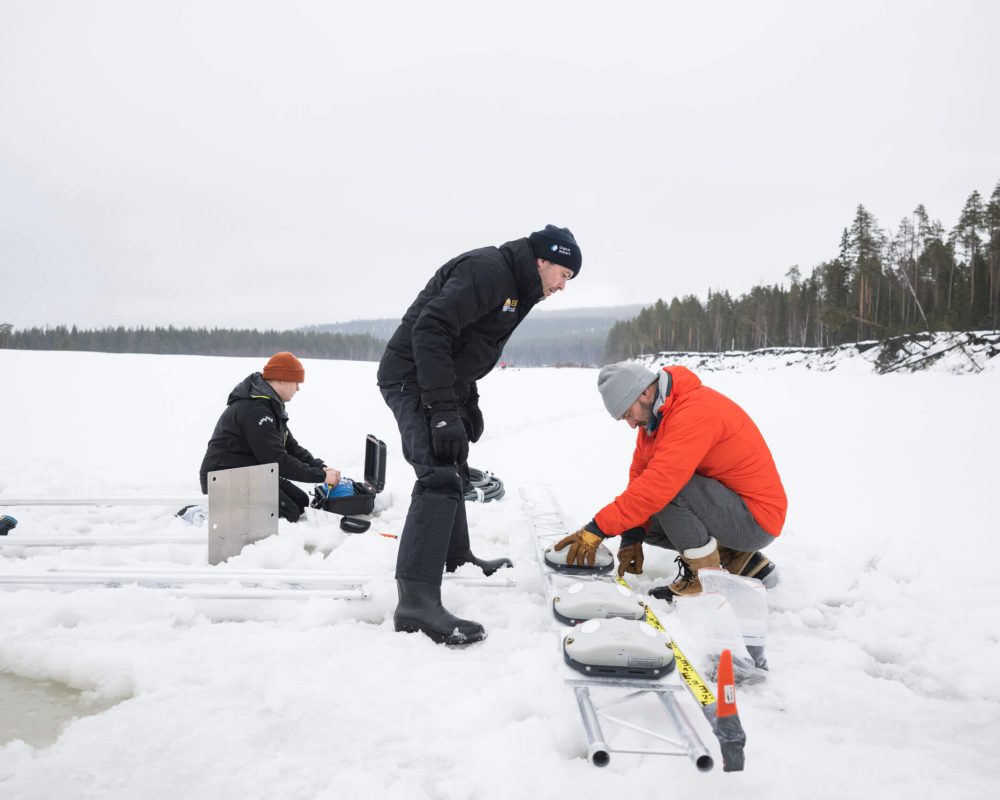
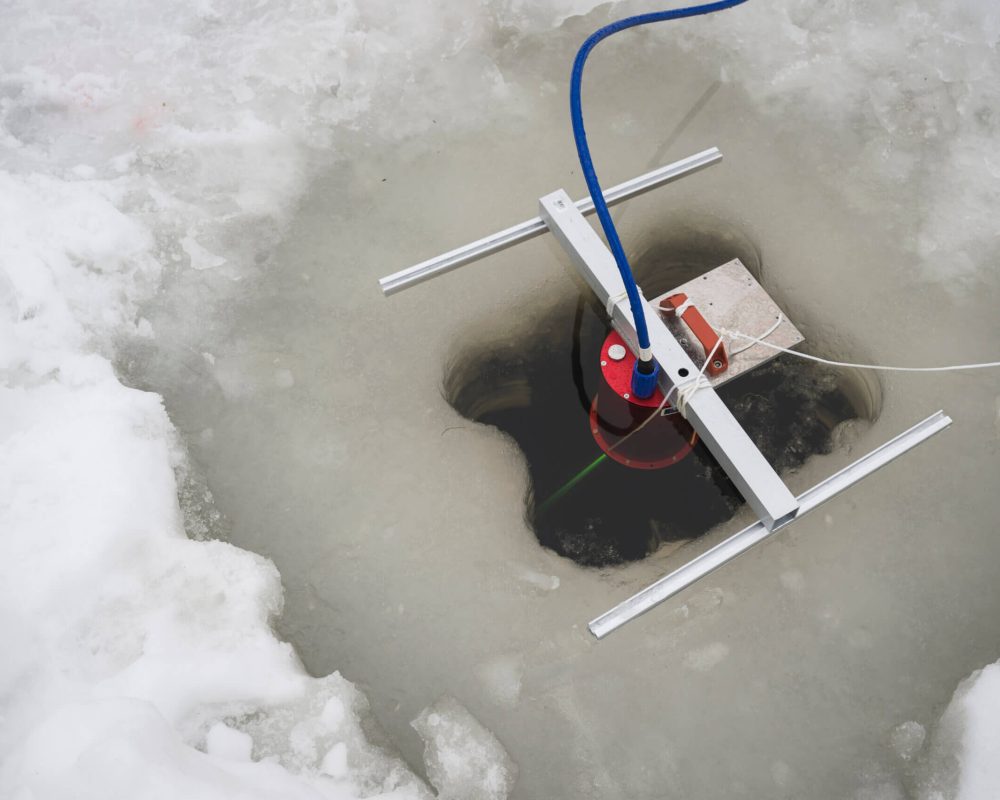
The site serves as a natural laboratory for studying river dynamics in a changing northern environment. Research explores the interactions between river flow, sediment transport, groundwater, soil conditions and seasonal ice processes, and how these respond to hydrological and environmental change. Monitoring combines laser scanning, drone surveys, acoustic measurements and continuous observations of flow, water level, weather and soil conditions. 

Integrated data collection

Combining hydrological and water quality monitoring, water isotope sampling, UAV-based remote sensing, and other innovative measurement technologies, resulting in unique datasets.

Subarctic riverine processes & snow and cryosphere processes

Focus on geomorphology, river ice processes, sediment transport, and the development of new measurement technologies. 

Hydrological modelling

Enhancing process understanding and addressing specific research questions, alongside data production and sharing for large-scale modelling applications in the Oulankajoki basin, the Arctic Sea basin, and across Finland.

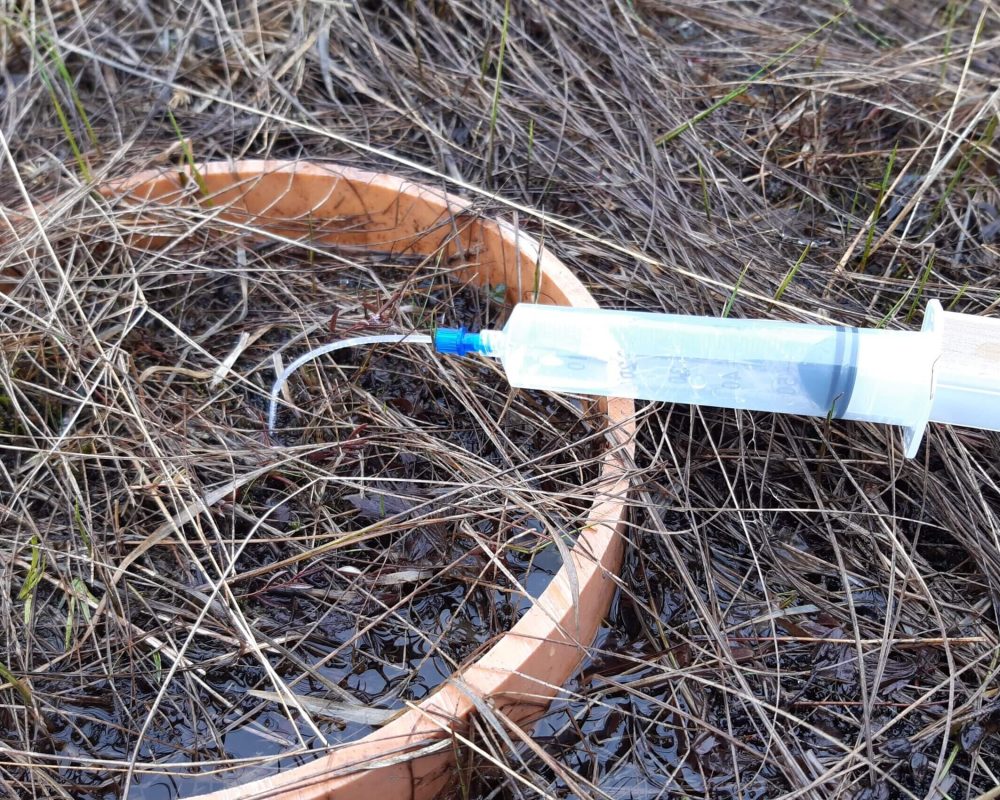
Biogeochemical processes

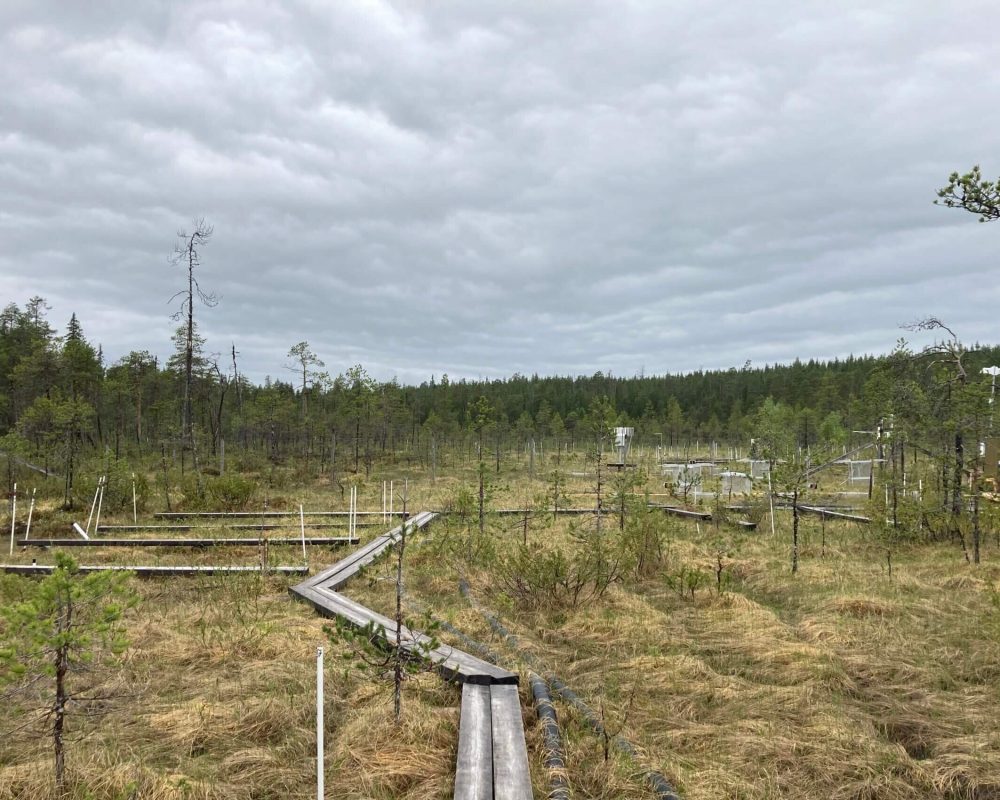
In boreal peatlands and pine forests.

Data and model integration

Including testing new measurement methods in northern conditions.

Continuous water isotope measurements

For ecohydrological applications.

  • Understanding how climate change affects subarctic water resources, biogeochemical cycles, and ecosystems 
  • Building a holistic understanding of northern environments by integrating hydrology, biogeochemistry, climate science, and ecology 
  • Identifying how changing environmental conditions influence subarctic river hydrology and geomorphological processes 
  • Ensuring high-quality monitoring in remote subarctic environments while advancing and testing innovative environmental observation technologies 

Contact

Hannu Marttila

Professor