Sami Ghordoyee Milan, University of Oulu, Sami.ghordoyeemilan@oulu.fi
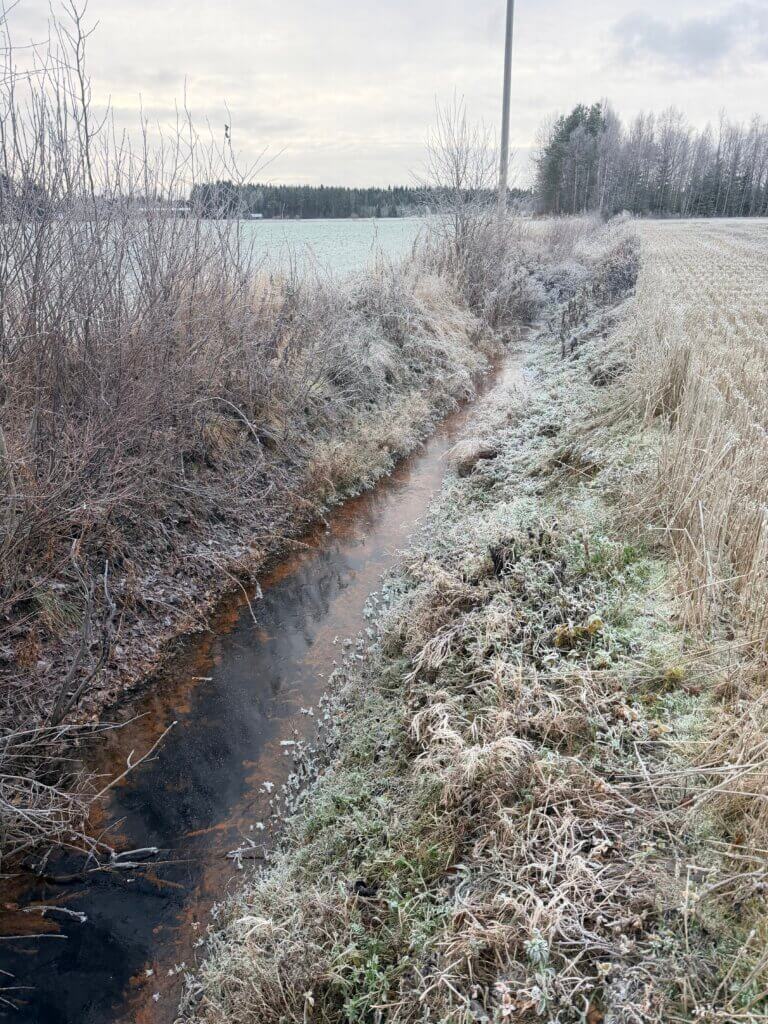
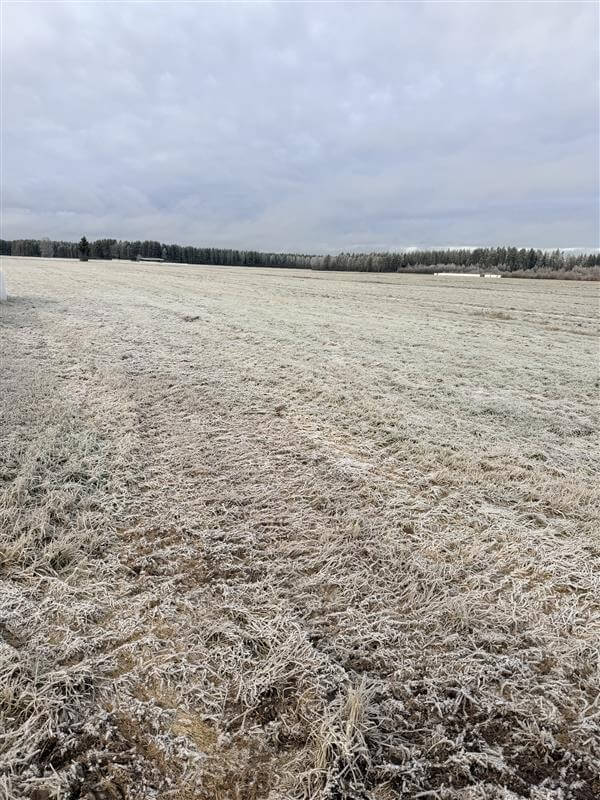
Water resource limitations, shifting rainfall patterns, drought, and climate change have created serious challenges for agricultural water management in recent years (IPCC, 2022; FAO, 2012). Many agricultural systems and management approaches were developed decades ago under different assumptions and no longer fully match current conditions. In arid and semi-arid regions such as Iran, water scarcity and declining groundwater resources make it increasingly difficult to meet crop water demands (Milan et al., 2018). In northern Europe, including Finland, water-related challenges often appear in two opposite forms: heavy rainfall and snowmelt at the beginning of the growing season can saturate soils and cause waterlogging, land damage, and pressure on farm infrastructure, while summer periods may still experience moisture deficits due to irregular rainfall and short-term droughts (Photos 1 & 2) (Finnish Environment Institute, 2021 and 2023). This contrast highlights the need for flexible, data-informed, and site-specific water management strategies.
Redesigning agricultural systems to cope with climate change and drought
Over the past two decades, the transition from traditional farming to smart agriculture has received growing attention (Abbasi et al., 2022; Kushartadi et al., 2023). In many humid and cold regions, subsurface drainage systems are among the key components of agricultural water management because they improve root-zone conditions by removing excess water. At the same time, limited water availability remains a major constraint, making efficient water management essential.
Drainage systems do more than remove excess water; they also interact with groundwater, affecting groundwater levels and the volume of water discharged from aquifers (Milan et al., 2018). Without proper control, rising groundwater levels, heavy irrigation, or intense rainfall can lead to prolonged soil saturation, poor crop establishment, and reduced productivity. For this reason, understanding and quantifying the exchange between aquifers and drainage networks—and predicting how much water is drained from an aquifer—are important for both groundwater management and irrigation planning, especially under water limited conditions.
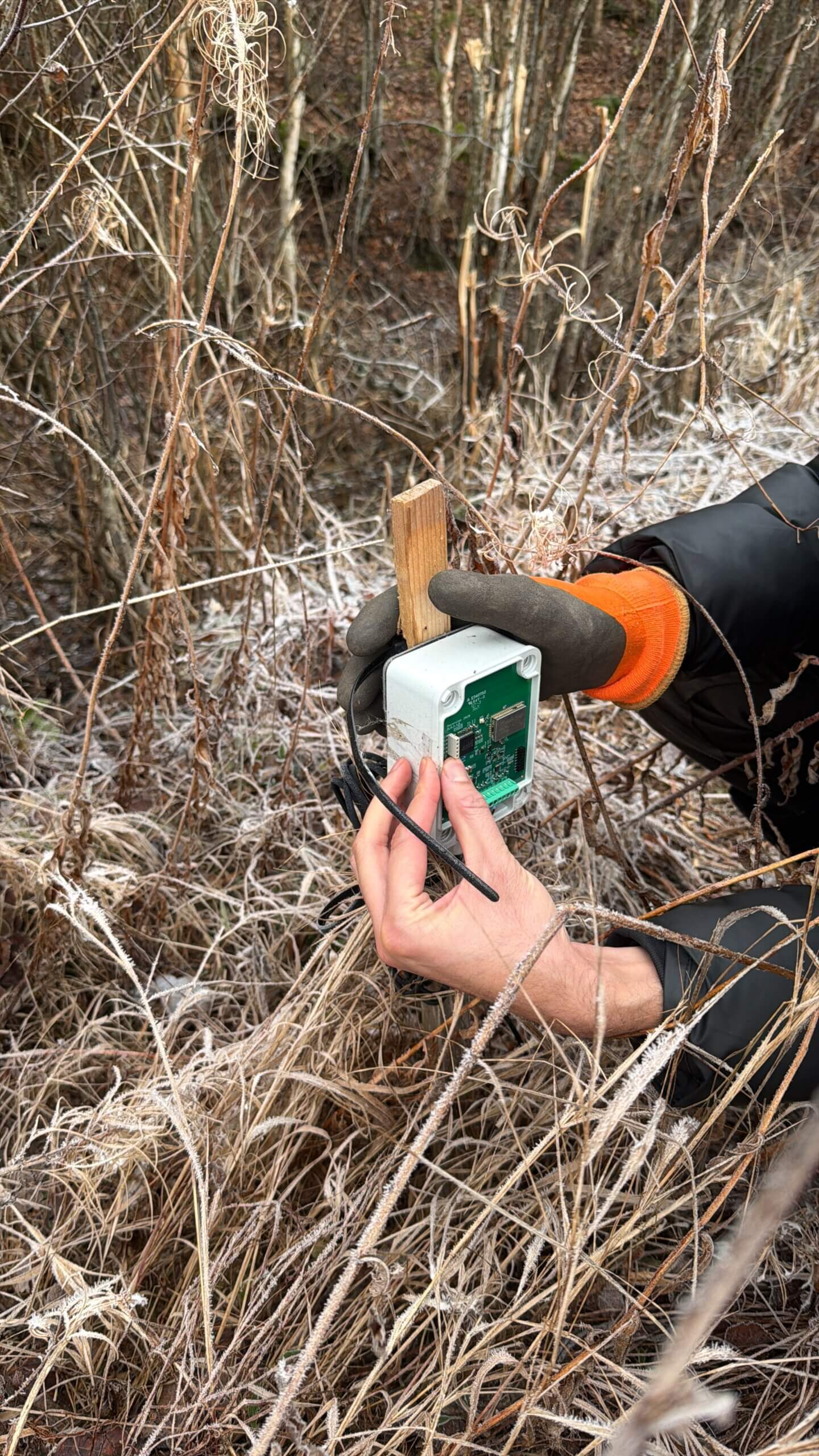
In many areas, existing drainage systems are designed only to remove water, and drained water is often discharged to nearby water bodies without being stored or reused. This highlights the need for an integrated approach that first assesses soil–water conditions, identifies spatiotemporal irrigation needs, and then supports smarter irrigation and drainage decisions based on available water resources, rainfall timing and amount, and continuous soil moisture observations from sensors. Such an approach can improve water and soil management while helping maintain stable crop production.
What sparked this research, and what is the plan?
This research began with a simple belief: agricultural water management should evolve as water availability changes. We may not be able to prevent climate change or drought, but we can adapt ourselves and our farming systems to live with their effects more wisely. Agriculture is one of the most vital sectors in society, yet it often receives less attention than it deserves, despite being the largest consumer of water. That is why I became interested in viewing agriculture as a connected water–soil–plant system. I believe that redesigning how water is supplied, distributed, and managed within this system can greatly improve both water resource management and agricultural productivity. This idea led me to explore how agriculture can become smarter, more responsive, and better prepared for future challenges.
In this research, I aim to develop a smart and practical approach for soil moisture management that can support better irrigation and drainage decisions under changing environmental conditions. The main idea is to combine scientific modeling, modern monitoring technologies, and data-driven tools to better understand field conditions and respond to them in a timely way. Through this work, I hope to contribute to the development of innovative and sustainable solutions for agricultural water management by building on my background in water resources management. The expected outcomes include both scientific publications and a practical application that can support smart irrigation management in the field. Ultimately, I see this work as a small but meaningful step toward protecting water resources and using them more wisely.
References
- Finnish Environment Institute. (2021, September 20). Optimising land drainage with natural methods. Vesi.fi.
- Finnish Environment Institute. (2023, October 19). Climate change is already visible in Finland’s nature. Finnish Environment Institute.
- Food and Agriculture Organization of the United Nations. (2012). Coping with water scarcity: An action framework for agriculture and food security (FAO Water Reports No. 38). Rome, Italy: FAO.
- Intergovernmental Panel on Climate Change (IPCC). (2022). Climate change 2022: Impacts, adaptation and vulnerability. Contribution of Working Group II to the Sixth Assessment Report of the Intergovernmental Panel on Climate Change. Cambridge University Press. doi:10.1017/9781009325844.
- Abbasi, R., Martinez, P., & Ahmad, R. (2022). The digitization of agricultural industry: A systematic literature review on agriculture 4.0. Smart Agricultural Technology, 2, 100042. doi:10.1016/j.atech.2022.100042.
- Milan, S. G., Roozbahani, A., & Banihabib, M. E. (2018). Fuzzy optimization model and fuzzy inference system for conjunctive use of surface and groundwater resources. Journal of hydrology, 566, 421-434.
- Kushartadi, T., Mulyono, A. E., Al Hamdi, A. H., Rizki, M. A., Sadat Faidar, M. A., Harsanto, W. D., Suryanegara, M., & Asvial, M. (2023). Theme mapping and bibliometric analysis of two decades of smart farming. Information, 14(7), 396. doi:10.3390/info14070396.
24.3.2026