Laura Laaksonen, University of Turku, lmelaa@utu.fi
Last summer, my colleague Venla Aaltonen and I went on a 270 nautical miles long expedition to map plastic pollution in the sandy beaches of the Archipelago Sea. One of the difficult aspects of doing research in the outer archipelago is the challenge and expense of reaching the islands that are usually either far from the mainland or don’t have any ferry connections. With this research, we wanted to prove that it is possible to do fieldwork in the archipelago even with a minimal budget if you are just creative, flexible, and do a ton of planning.
To reach all seven research islands that we wanted to visit, we had to use vessels of different sizes and capabilities. For example, to reach our research site in Sottunga, we took four ferries and then drove with the buster to the research island.
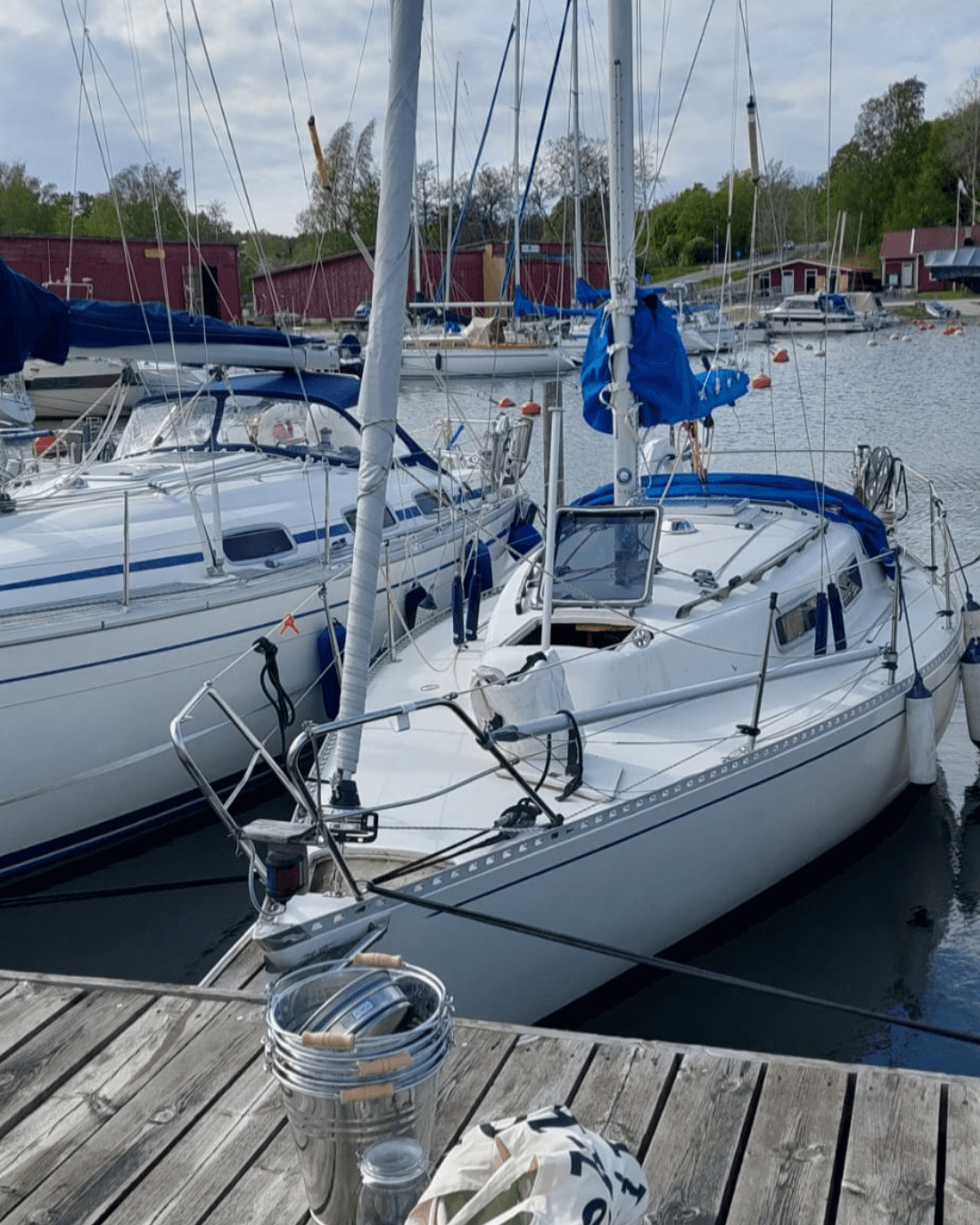
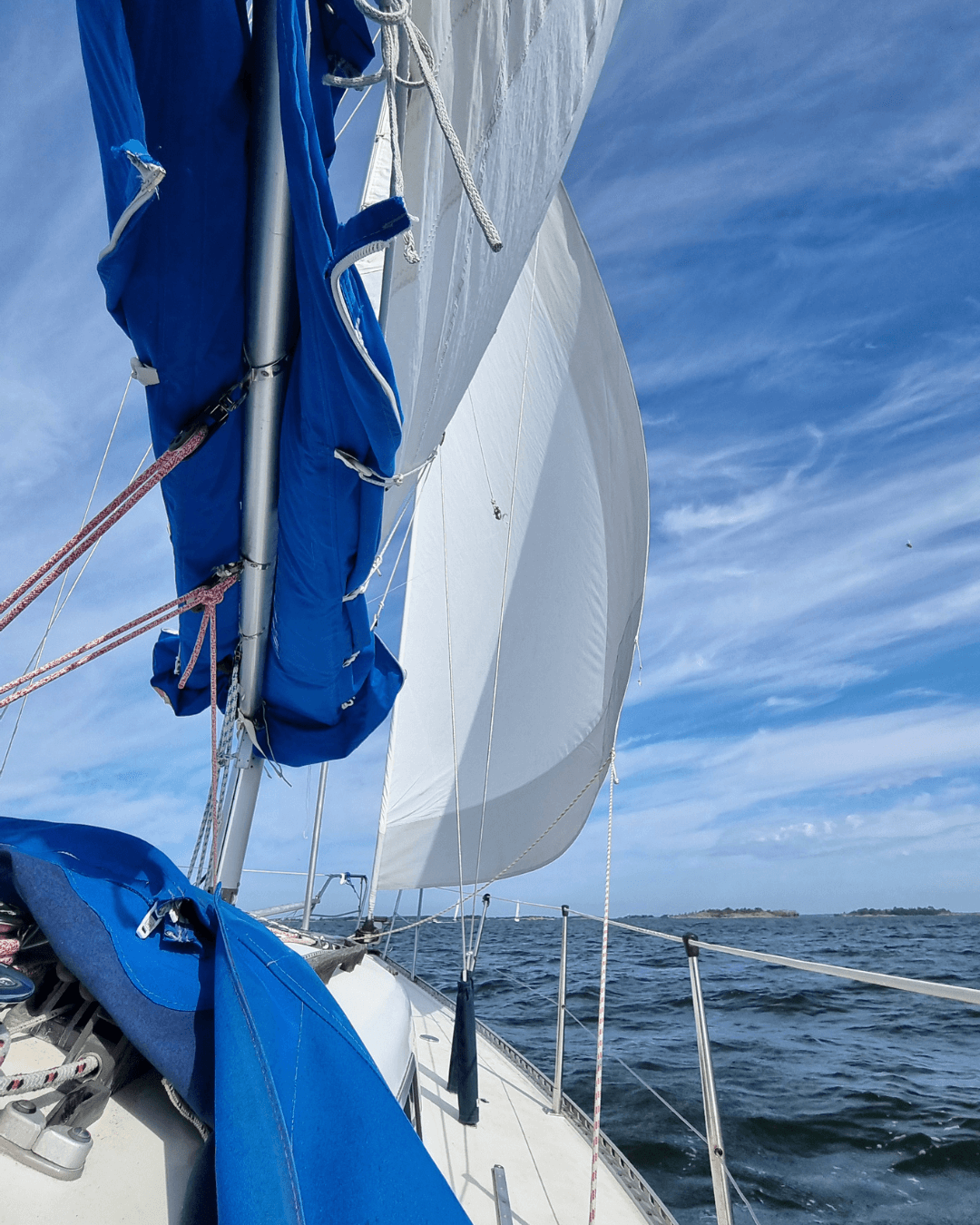
This, of course, means a lot of planning, from ferry schedules to checking whether the island has a ramp for putting the buster in the sea. Not forgetting the rapidly changing weather conditions that may suddenly make even a short boat ride to a battle through the rough seas. To reduce costs, we sometimes traveled on my sailing boat, which also served as accommodation. This made fieldwork planning easier, as we were no longer dependent on ferry schedules and could conduct sampling when weather conditions were optimal for collecting microplastics from beach sand.
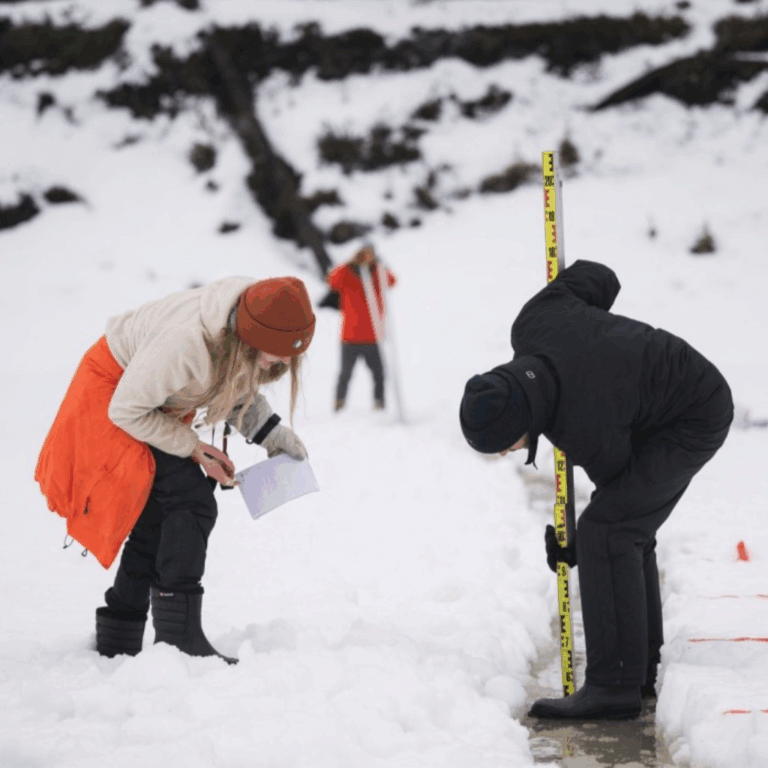
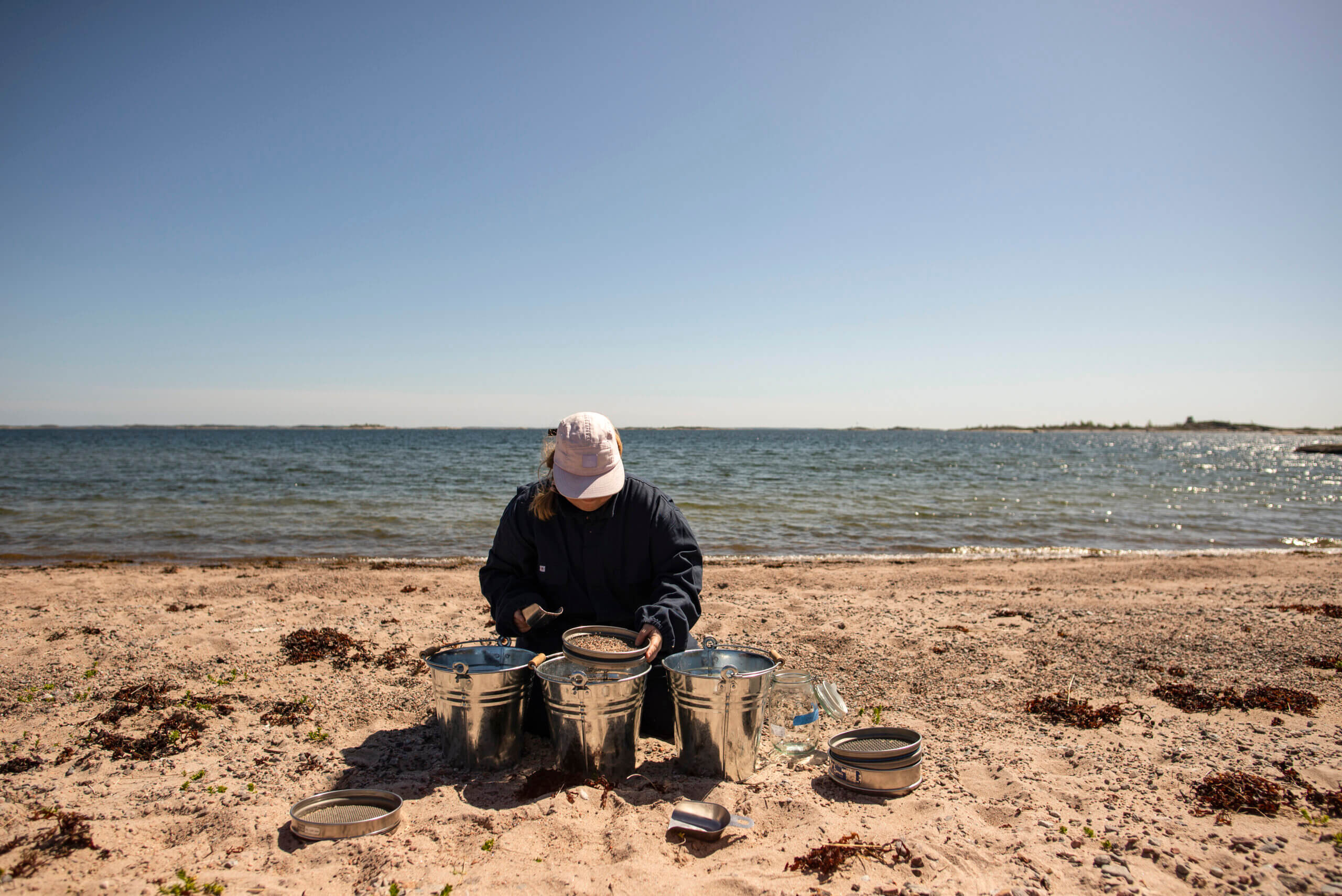
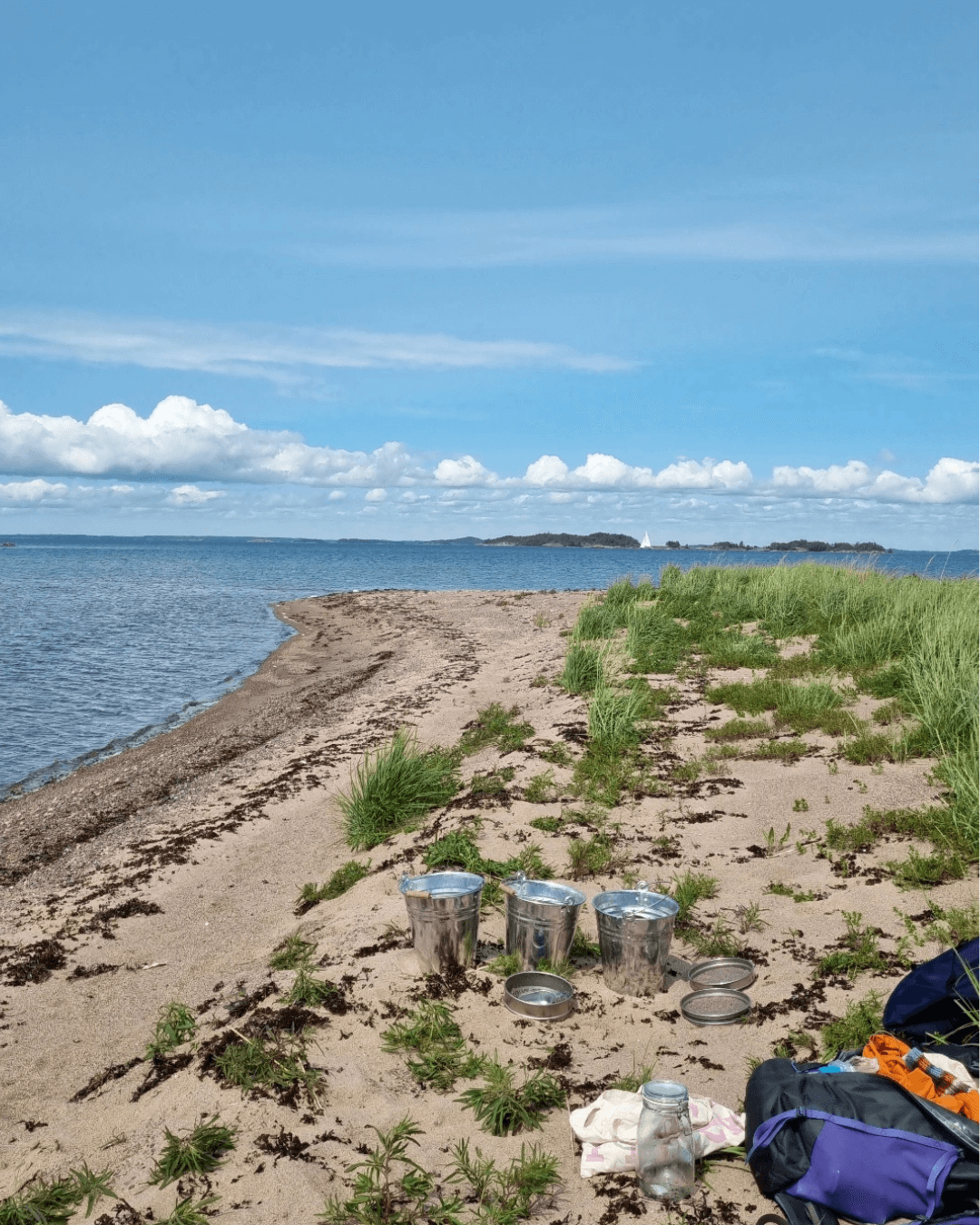
The greatest challenge in sieving sand is when it is saturated with water. Because of this, we aimed to work in the field only on days following dry weather. This turned out to be a bit difficult, since June 2025 was rainier than usual. If you only look at my social media from that period, it is all sunshine and beautiful beaches, but the truth was a bit different. While doing field work, I learned that combining work and fun was a bit demanding. Sometimes it became overwhelming, but in the end, we managed to sample all the islands as planned. We made many good (and some bad) memories in the archipelago.
Smooth sailing towards plastic beaches
Our first expedition of this research was the island of Vänö, where we sailed with the light northern breeze in early June 2025. We were excited to start the actual fieldwork after the spring of testing and developing our lightweight and efficient method for taking microplastic samples from beach sand. After docking the boat, we packed our bags with snacks and research equipment and headed to the first study site. Reaching the first beach wasn’t easy on foot, as we didn’t want to disturb the locals by walking in their yards.
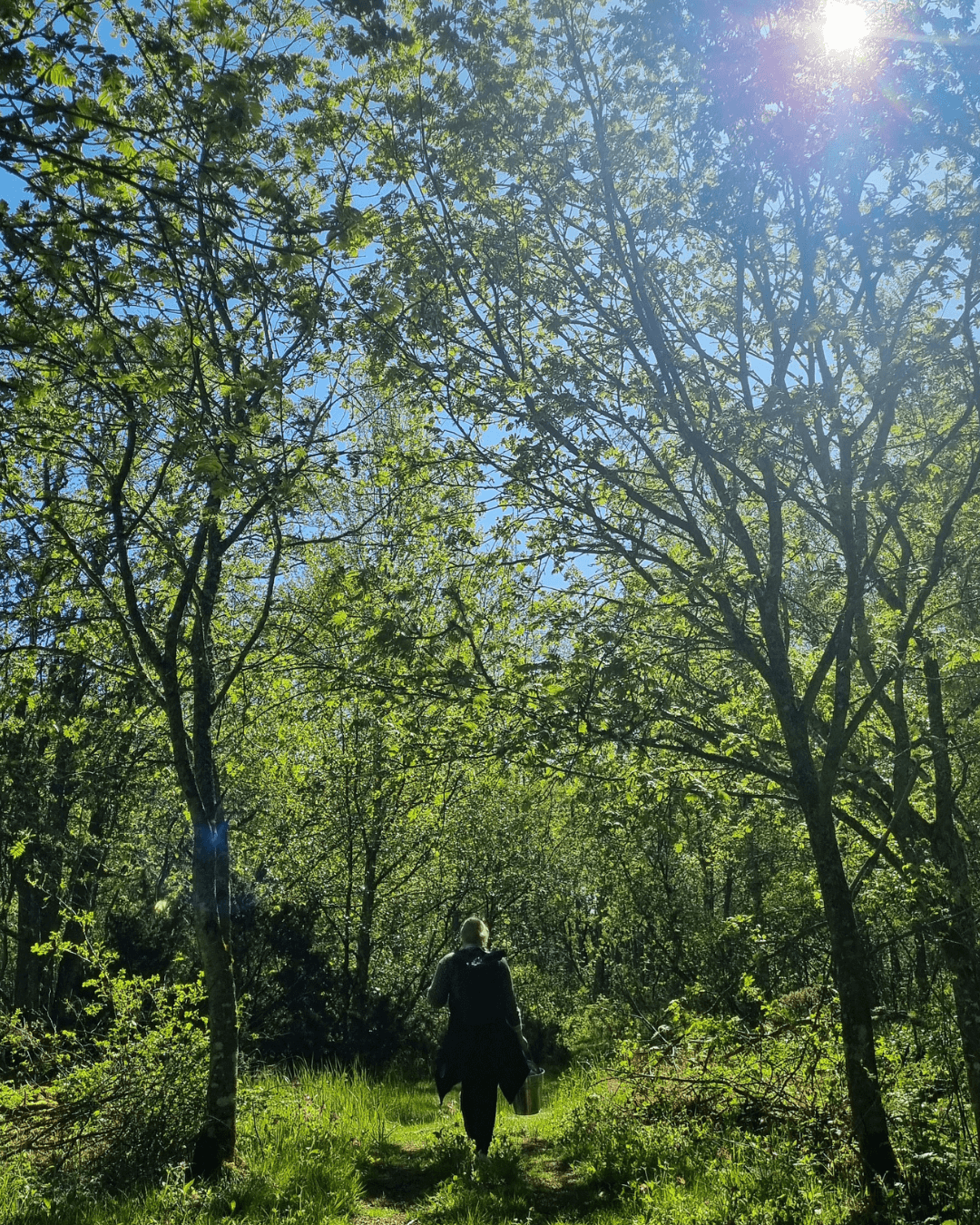
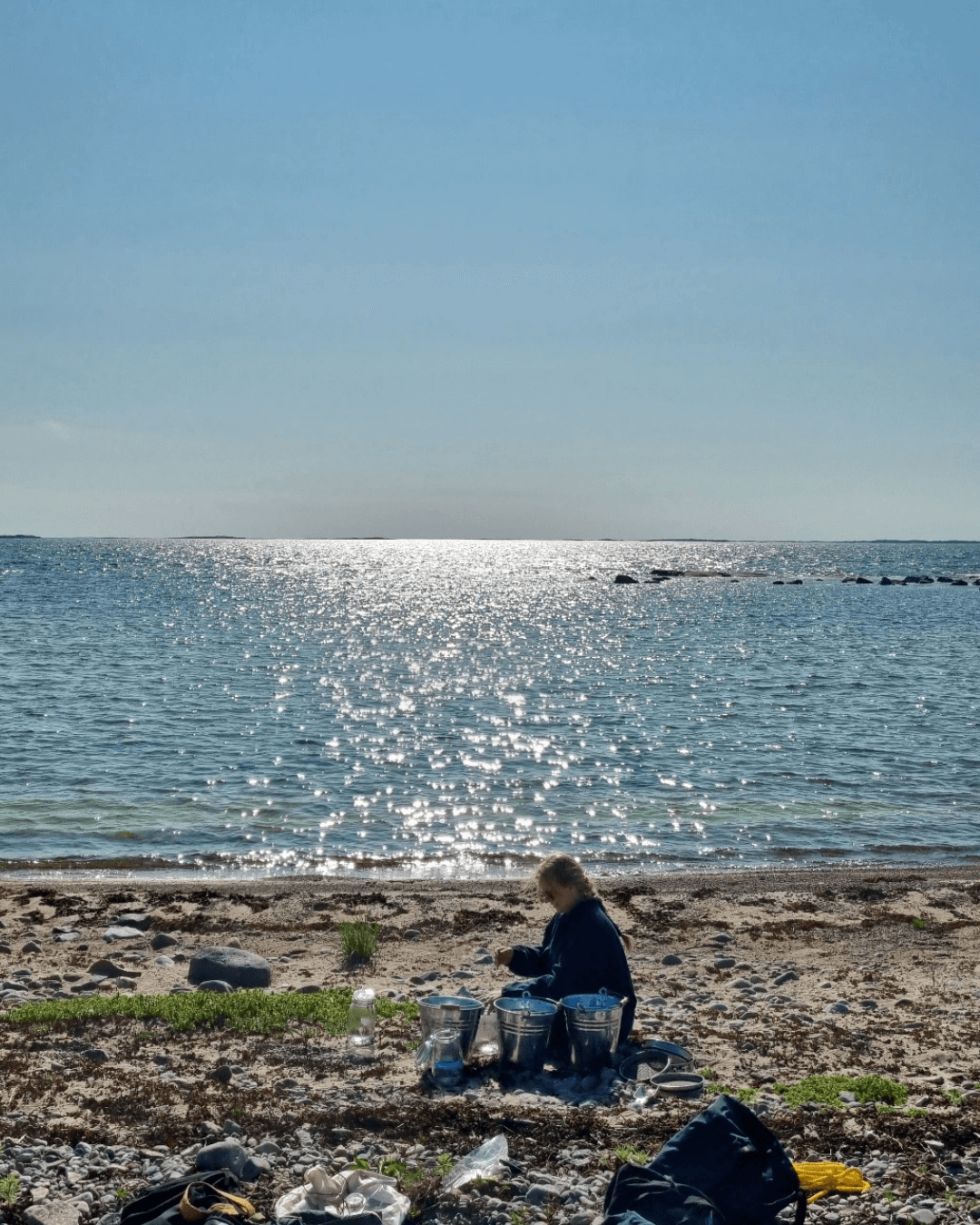
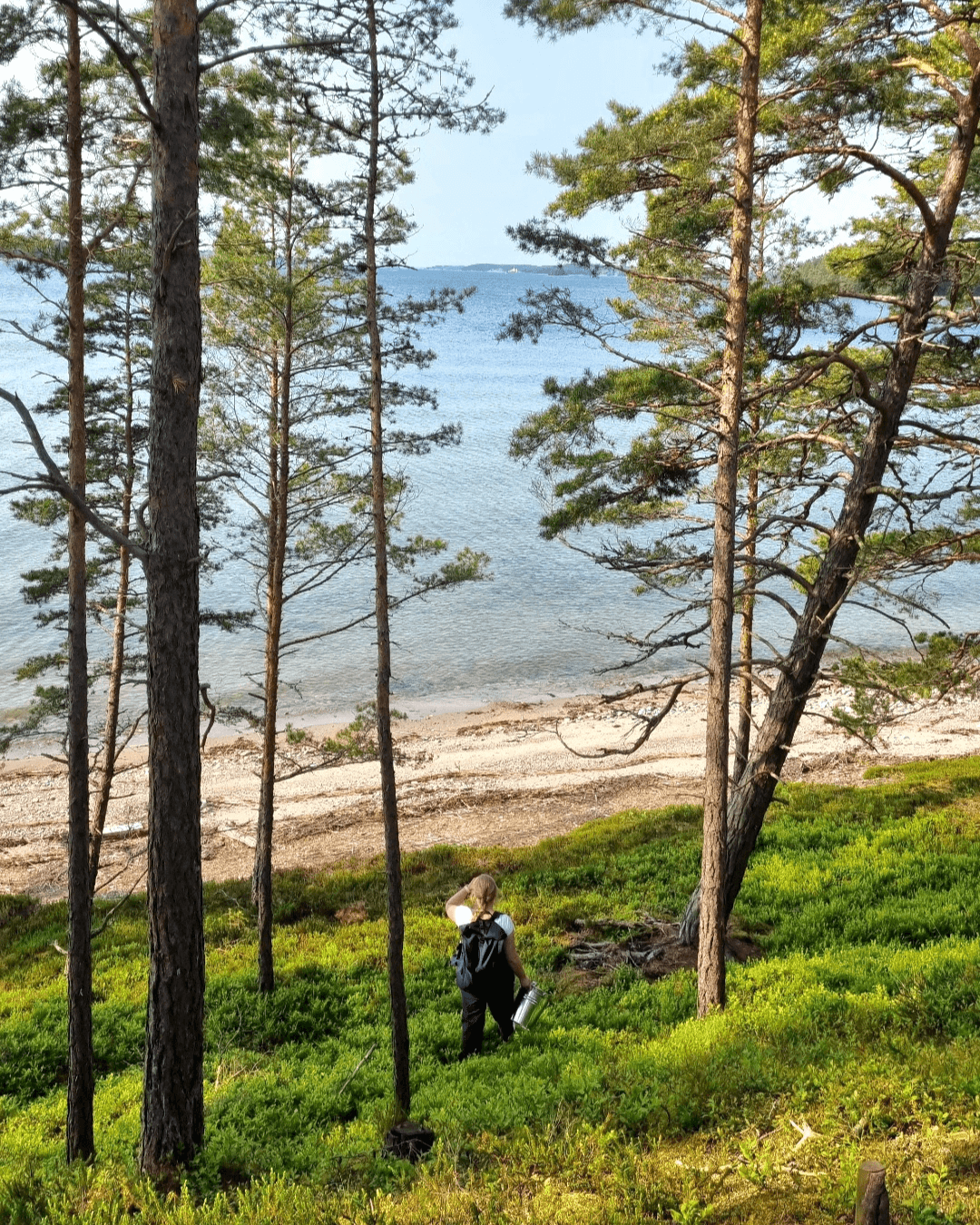
So, we took a detour through spiky bushes and rocky hills. Eventually, we managed to reach the first sandy beach and started our sieving process. This beach turned out to be full of plastic pollution. After the sampling, we were tired, and our samples were heavy in our backpacks, so we decided to take the shortest path back to the boat. We had a friendly chat about our research with a local who was surprised by two women suddenly appearing from the bushes with empty buckets in their hands and scratches in their faces from all the spiky bushes.
The next day we sampled two beaches on the other side of the Vänö island, and it was a perfect sunny day in the field. In the late afternoon, we continued our journey by sailing towards the next study site in Örö. A light breeze took us smoothly towards the southern parts of the archipelago. Then suddenly, as when we were taking the sails down, the engine started to make an awful noise. We were stuck in the middle of the open sea with 50 meters of water under us, with a broken engine. We opened the sails again and headed to Högsåra. We were able to dock safely with the help of the harbor owner. Later that evening, the engine was prepared enough for us to sail back home. At this point, we thought that the worst case had now happened, and we survived this stressful situation. We thought that the research was just testing us to see if we are tough enough to continue.
Battle against the strong headwind of misfortune
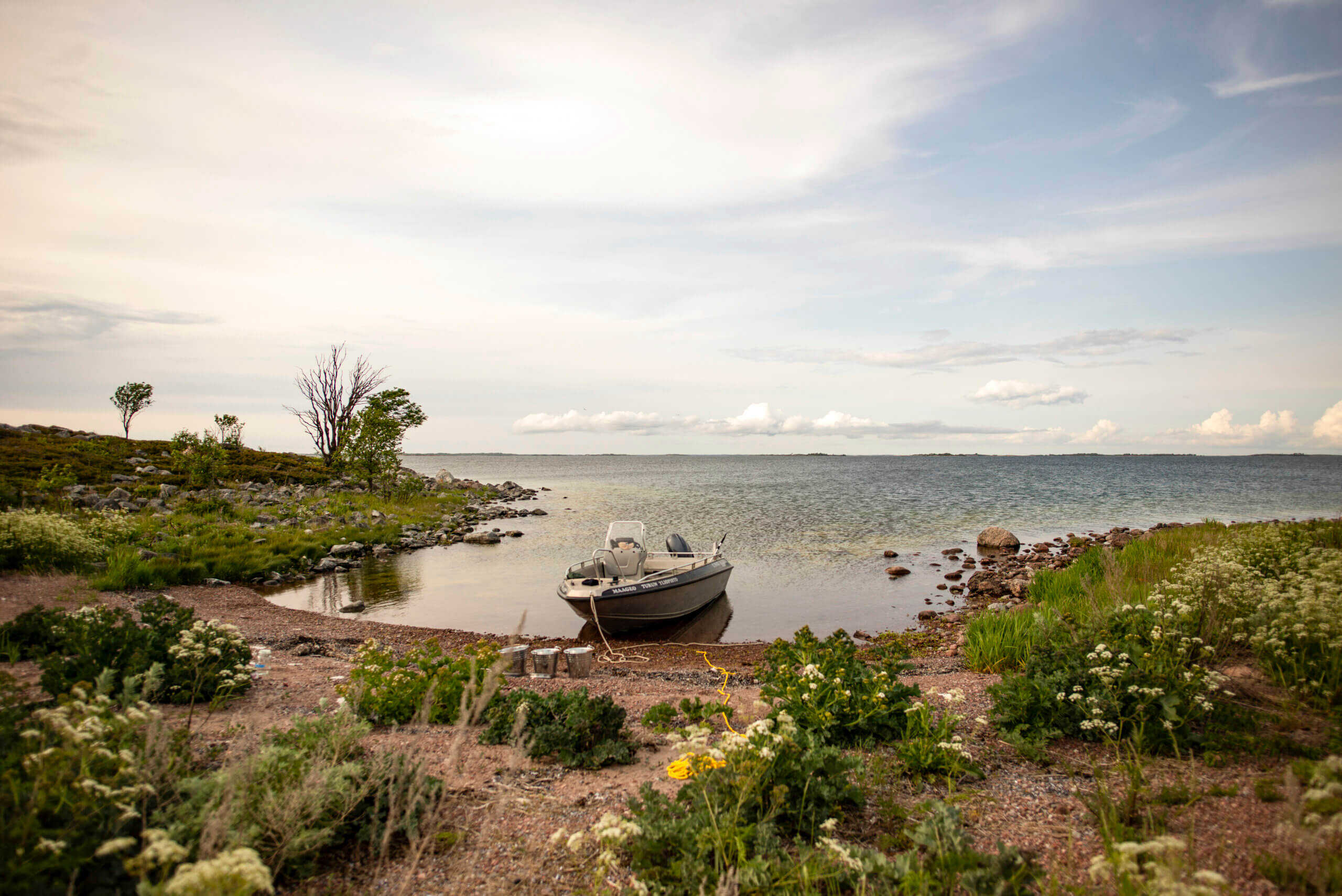
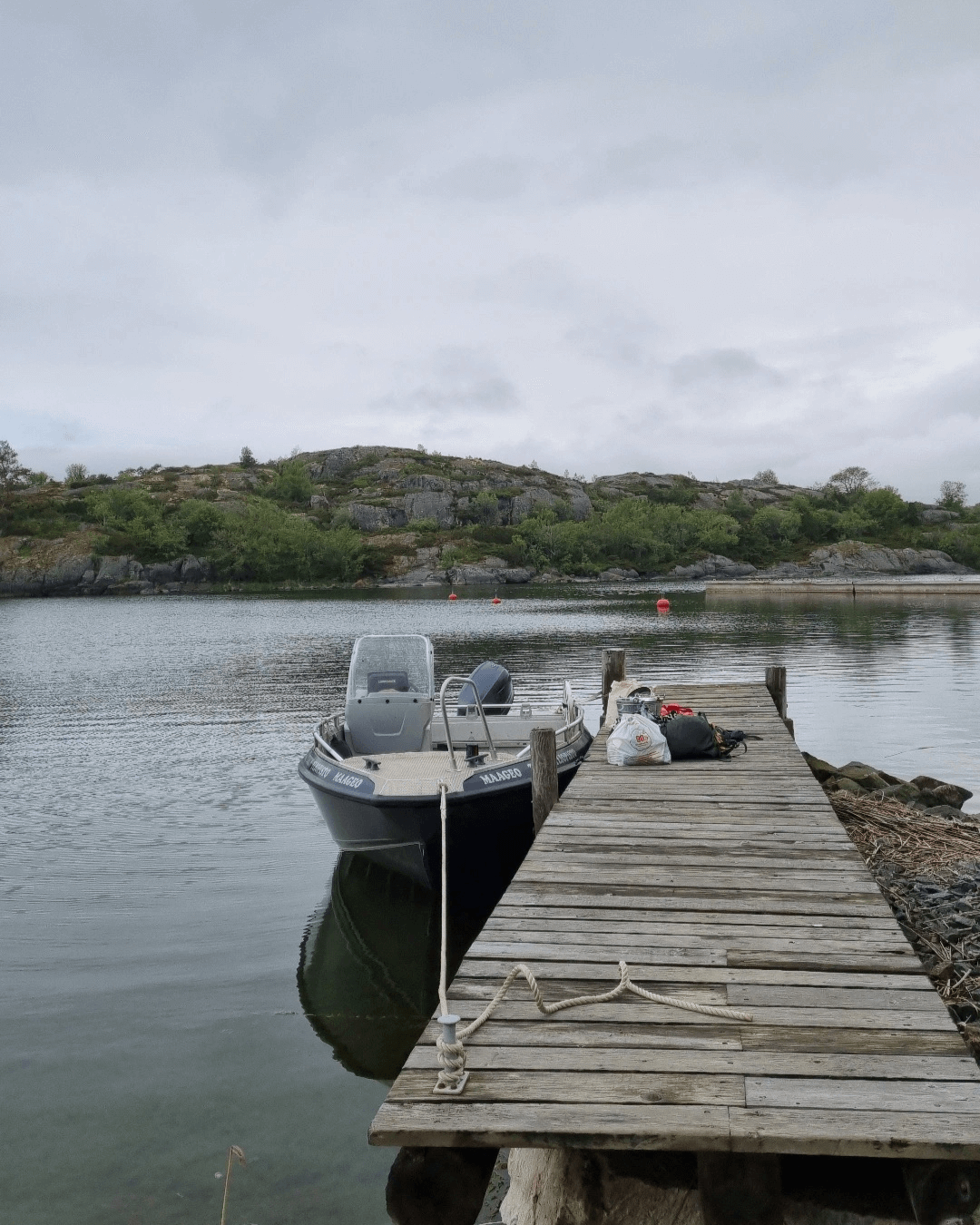
We did four field trips without the sailing boat, using Viking’s speed boat, the department’s buster, and 7 different ferries. Long story short: the speedboat lost its power after 4 nautical miles, and the buster almost left us stuck in one of the remotest islands. Then, when we were driving back from our Åland expedition, the pick-up truck wouldn’t start when we were supposed to exit the ferry. In Kökar, I had to take samples on a rainy day, which meant that the sand was all wet and wouldn’t go through the sieve. All the nice sunny days at the beach, collecting samples for my PhD, were not in the room in those days. I even lost the measuring tape somewhere between Kökar and Sottunga. Viking had to take all the field measurements with his feet. Notes were: first square 4,5 Viking feet, second square 5 Viking feet, third square 3,2 Viking feet, and so on. Somehow, even with all of this misfortune, we were able to collect all the samples as planned eventually.
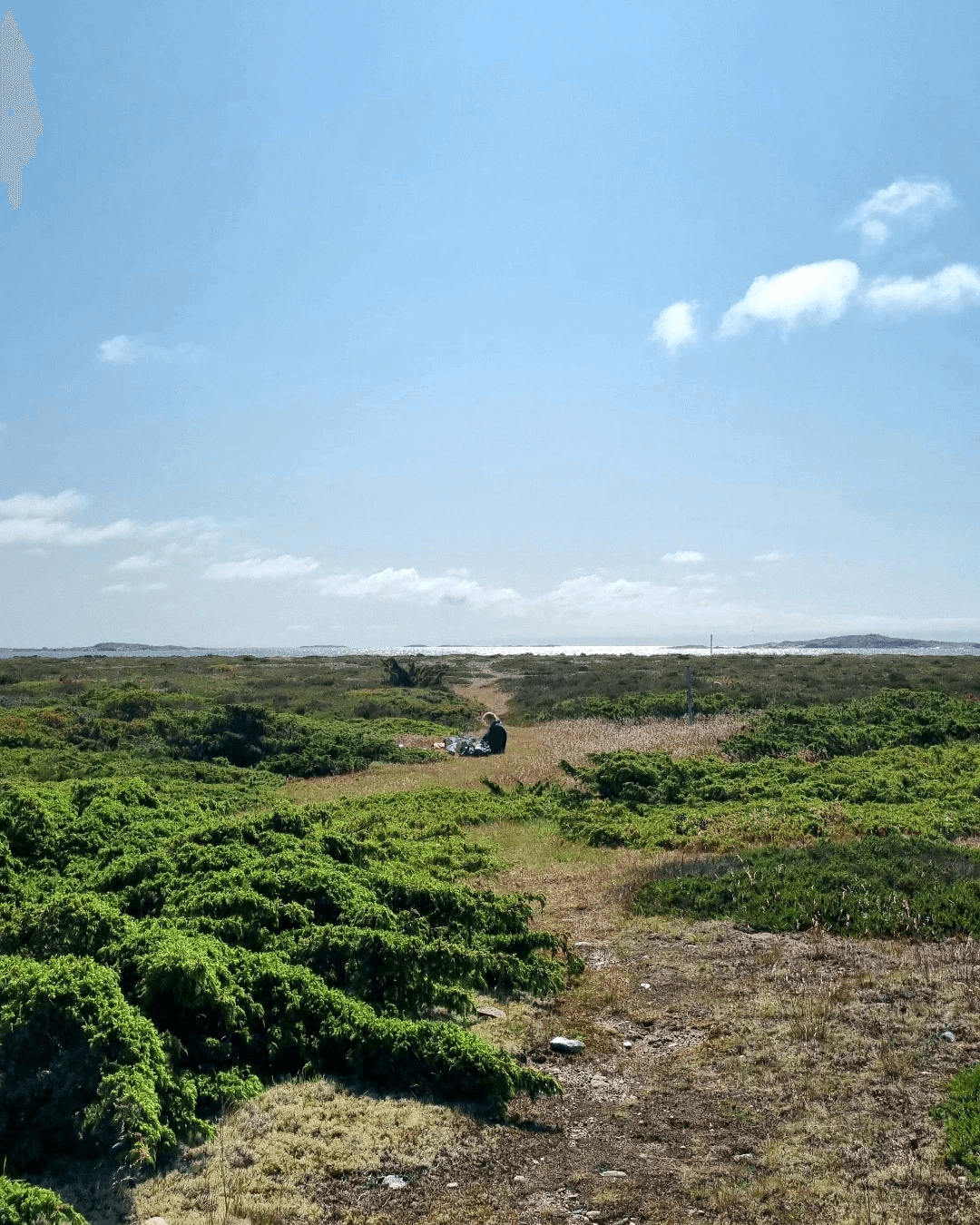
When the wind turned in our favor
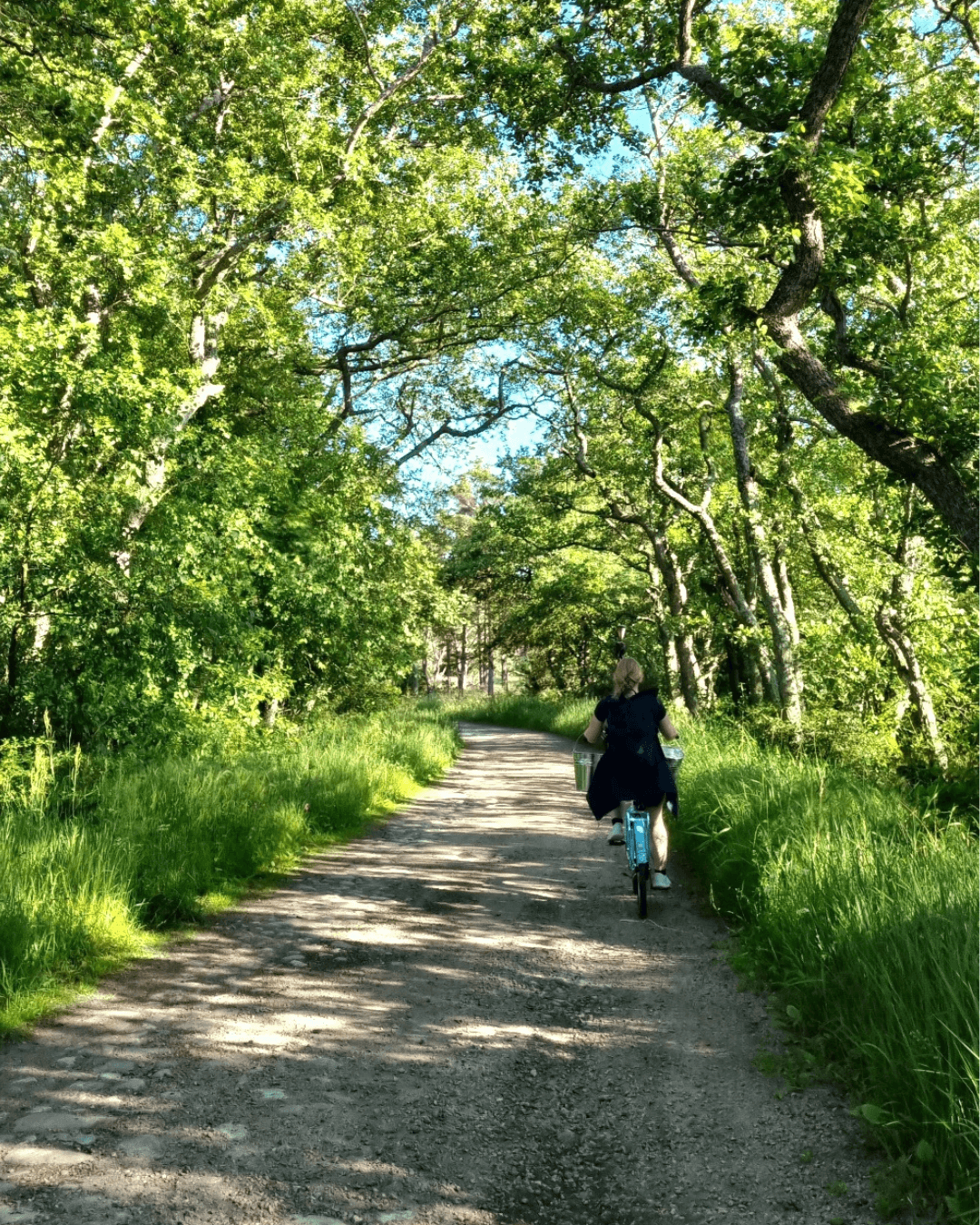
The turning point for our disaster fieldwork period was our sailing trip to Örö in midsummer weekend. We decided to ditch our midsummer festivities and pointed our noses towards the south. This time, we made it to the Örö with my sailing boat even though the wind was testing us. The fieldwork day in Örö was sunny and warm, so we rented bikes to reach all the beaches in one day.
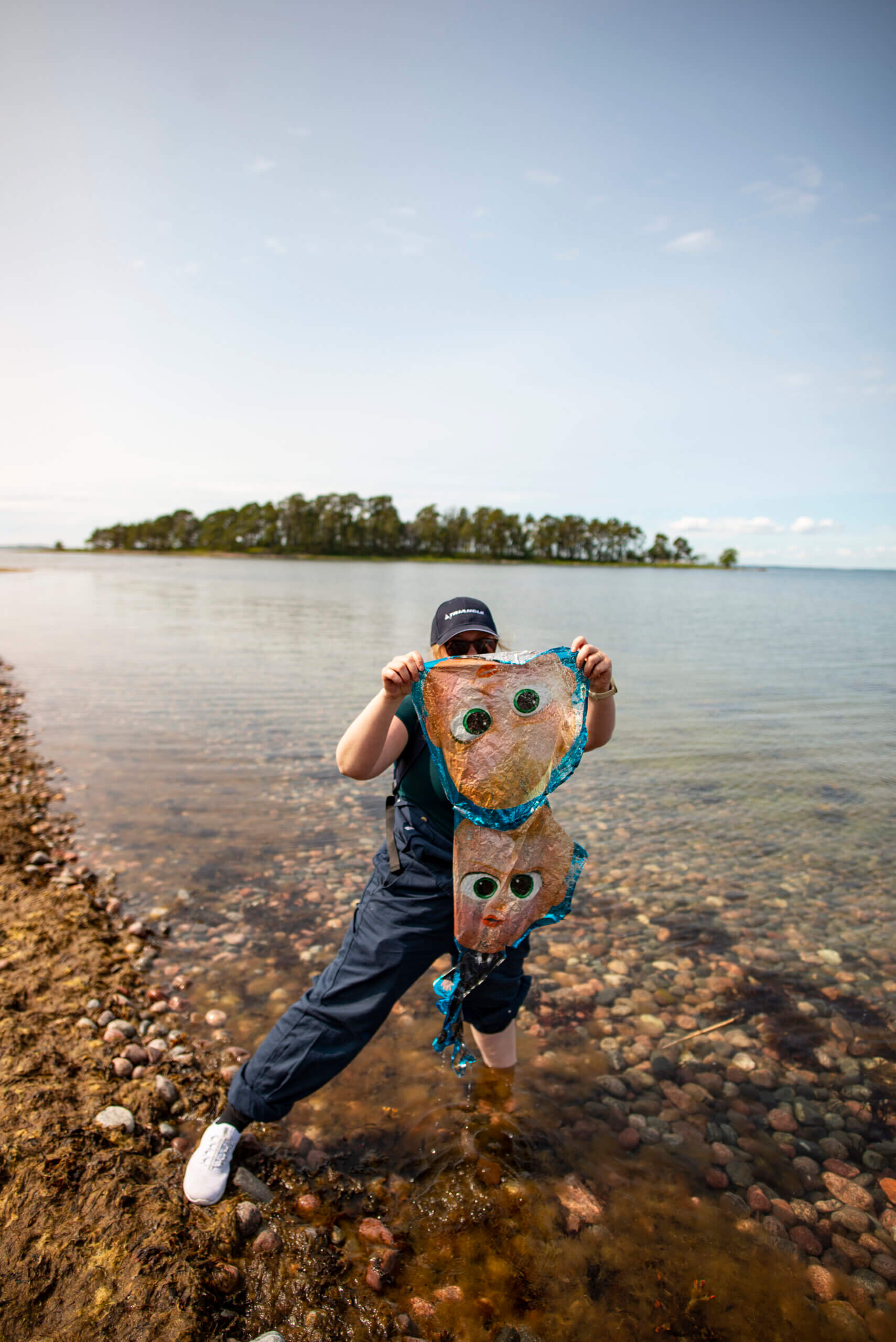
Beach by beach, we went sieving sand and collected samples. In the afternoon, we had a burger break, and afterwards we found some interesting trash from the most untouched beach. As we returned home with full sails the next day, I was really confused: What was this? Can our fieldwork be this fun?
After Örö, we only had one island left, and this time we were using only one ferry connection. The only stress we had was to arrive in time before the ferry departure. We stayed in my parents’ boat in the guest harbor of Jurmo, so we didn’t need to worry about any boat (or food) related issues ourselves. We biked from beach to beach, and finally, at the last beach, we found some very interesting primary types of microplastics that we had been looking for at every 24 beaches before. With that finding, we were able to end our fieldwork period with smiles on our faces!
4.2.2026