Henna Pääkkö, University of Oulu. henna.paakko@oulu.fi
Imagine a world where the rivers run empty, the lakes stand still and lifeless, and the streams vanish from the landscape. While these freshwater ecosystems, rivers, streams, and lakes, cover less than 1% of our planet’s surface, they are real hotspots of life. They are home to 6% of all species scientifically described, including a full third of all vertebrate species! Losing these vital systems wouldn’t just mean losing countless unique creatures, it would cripple essential services like water purification, flood control, and nutrient cycling that we depend on daily.
This blog post dives into the critical state of freshwater biodiversity, explaining why our rivers, lakes, and streams are facing a crisis and why their health is deeply connected to your own well-being.

Fresh ecosystems: Tiny area, huge importance
It might seem surprising that freshwater ecosystems, covering such a small area, hold so much life. Yet, our planet’s rivers, streams, and lakes provide habitat for an amazing number of species, from fish and insects to plants and microbes. This isn’t just interesting biology, it shows how uniquely valuable these freshwater places are.
However, their nature also makes them incredibly vulnerable. Think about how water flows. Every raindrop, every bit of fertilizer spread on a field, every chemical spilled eventually makes its way downstream into a river or lake. Freshwater ecosystems are like sponges and pipes, receiving everything that enters the land around them. This means they are harmed not just by direct water pollution, but by impacts across the entire surrounding landscape, known as the catchment area.
Why should you care about the health of these freshwater systems? Even if you don’t consider yourself an environmentalist, you gain crucial benefits. Healthy rivers and lakes provide us with clean drinking water, natural protection from floods by absorbing excess water, and essential food sources like fish. Living here in Finland, I know how much we value our connection to water, the simple joy of safely swimming in a lake or fishing on a river on a warm summer day. Protecting freshwater biodiversity isn’t just good for nature, it’s fundamental to our way of life and even our survival.
The threats: What’s harming our freshwaters?
Besides the global challenge of climate change, freshwater ecosystems face huge direct pressures from things we do on the land. As I mentioned, whatever happens in the catchment area affects the water. Farming, forestry, and building urban areas are major causes of their decline.
Farming Pollution: Farms are essential for food production, but they are a big source of water pollution. Fertilizers release nutrients like nitrogen and phosphorus, causing harmful algal blooms (eutrophication) that suck oxygen out of the water, harming fish and other life. Pesticides, herbicides, and soil particles also wash into rivers and lakes, directly affecting aquatic animals and lowering water quality.
Changing Habitats: Farming and building often involve draining wetlands, taking too much water out of rivers for irrigation, and straightening or putting dams on streams. These changes to the natural shape and flow of waterways break up habitats, making it hard for species to move around, find mates, or survive. This “habitat loss” directly reduces freshwater biodiversity.
Forestry Impacts: Like farming, logging can cause more nutrients and sediment to wash into waterways. Disturbing the soil can cloud the water, harming plants and animals that need sunlight. Draining forest areas also damages water habitats. Forestry is also linked to “browning”, where water gets darker due to organic matter, reducing light and impacting life.
These ongoing problems lead to serious consequences for freshwater biodiversity: species disappear, the types of species in a place change dramatically, and eventually, many different places end up having the same few tough species that can survive in poor conditions. This loss of variety makes the whole system weaker.
Why should the freshwater crisis matter to you?
So, why should this matter if you don’t live right by a river or spend time fishing? It matters because the health of freshwater ecosystems affects the health of everyone.
When a river or lake loses its natural variety of life (freshwater biodiversity) it loses its ability to work properly. This means:
Ultimately, less safe and clean water is available for us.
- Less natural water purification.
- Less natural protection against floods.
- Less healthy fish populations
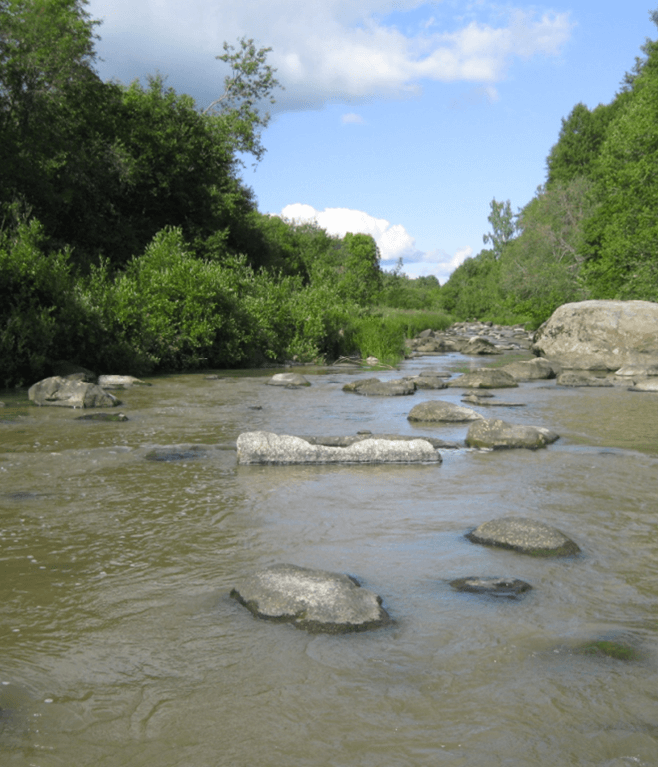
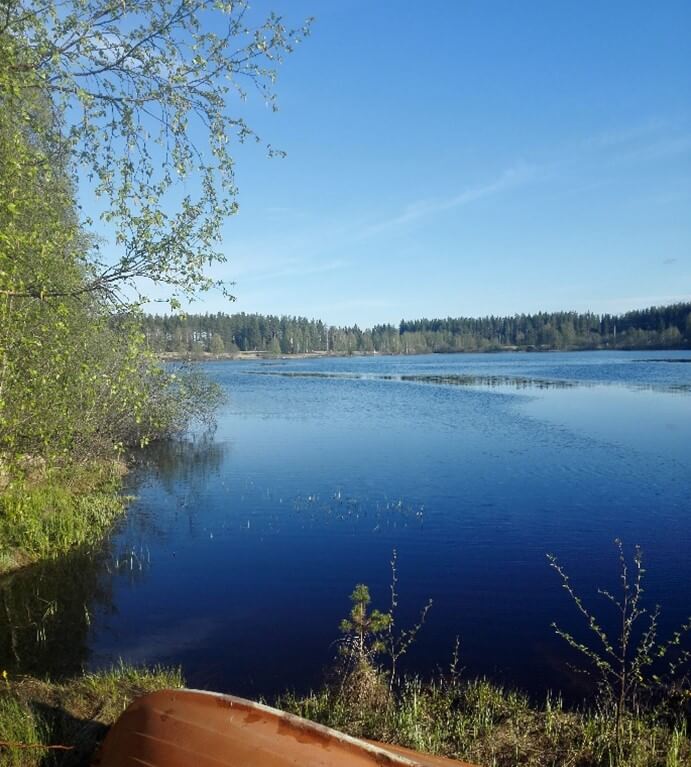
For me, this is more than just a research topic, it’s something I care deeply about. Understanding how human activities on the land affect the creatures living in Nordic streams, like the bottom-dwelling invertebrates I study, is crucial. My research helps us see how much stress these systems can handle before they break down and what we lose in terms of freshwater biodiversity when that happens. The knowledge I gain helps inform how we manage our land and how we can better protect and restore our rivers and lakes.
Protecting freshwater biodiversity isn’t just for scientists or nature lovers. It’s about protecting our clean water, our safety, and the health of the planet we all share. The crisis in our freshwater ecosystems is a crisis for all of us, and it needs our attention.
11.6.2025.
References
- Dudgeon, David, Angela H. Arthington, Mark O. Gessner, Zen‐Ichiro Kawabata, Duncan J. Knowler, Christian Lévêque, Robert J. Naiman, et al. “Freshwater Biodiversity: Importance, Threats, Status and Conservation Challenges.” Biological Reviews 81, no. 2 (May 2006): 163–82. https://doi.org/10.1017/S1464793105006950.
- Haase, Peter, Diana E. Bowler, Nathan J. Baker, Núria Bonada, Sami Domisch, Jaime R. Garcia Marquez, Jani Heino, et al. “The Recovery of European Freshwater Biodiversity Has Come to a Halt.” Nature 620, no. 7974 (August 17, 2023): 582–88. https://doi.org/10.1038/s41586-023-06400-1.