
Marika Teini, University of Eastern Finland. marika.teini@uef.fi
Dear reader, I can sense how excited you are to dive into the thrilling world of legal research. But let’s set aside the statutes, Latin terms, and footnotes for now, and try to figure out in plain language what my research is about. The topic? Legal protection of small water bodies.
What are small water bodies? And what do you mean by legal protection?
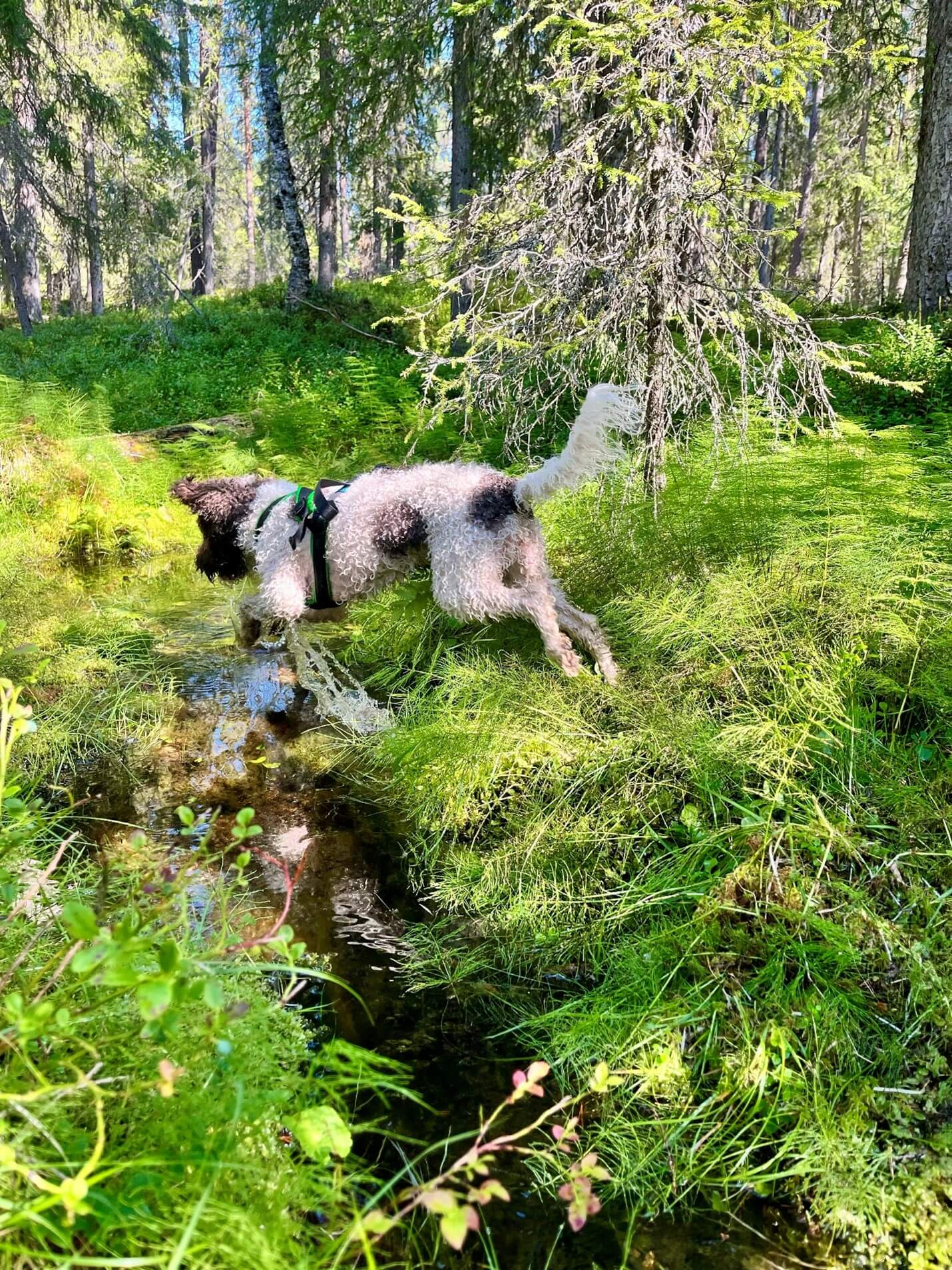
Small water bodies are a diverse range of freshwater bodies, such as headwater streams, springs, ponds, ditches, and small lakes. They are the origin of water that feeds into larger rivers and lakes and protecting these upstream sources is essential, as any changes in their condition can directly affect the health and quality of downstream waters. Taking care of them means solving problems at their source (quite literally).
Legal protection refers to the safeguards established by laws and regulations to preserve something. In this case that “something” means small water bodies. Legal protection means that certain activities (e.g., construction, pollution, drainage) are either restricted or require permits, and violations can lead to legal consequences.
Why research something so small and trivial? Maybe you should focus on the big picture!
The ecological significance of small water bodies is much bigger than their physical size. Around 80% of natural lakes in Europe have an area of less than 10 hectares, and small rivers and streams account for at least 80% of the total length of the European river network. So, they may be small, but not trivial. Despite their ecological importance, small waters are mainly excluded from water management policies like the EU Water Framework Directive.
Small water bodies regulate water flow, reduce flood risks, support rich biodiversity, and are important for local well-being. Legal frameworks that protect them contribute to broader goals of maintaining biodiversity and sustainable development. From a legal standpoint, protecting headwaters is not just about ecology, it’s also about upholding environmental rights and maintaining legal certainty in land use and development. Headwaters are often vulnerable to land drainage, forestry, agriculture, and construction. Without legal safeguards, these activities can cause irreversible damage. It’s hard to protect bigger lakes and rivers if we ignore the sources of their water.
How do you think anyone would benefit from your research?
My goal is to ensure that small water bodies are not lost in the jungle of regulation. By exploring how laws and policies protect or ignore small water bodies, legal research can push for better protection, clearer regulation, and stronger integration into environmental planning. One important result of my research will be proposing how the legal mechanisms could be improved to take the whole picture of water protection better into account.
References
- Kristensen, P. and Globevnik, L. 2014: European small water bodies. Biology and Environment: Proceedings of the Royal Irish Academy 2014.
4.9.2025.