
Elina Niemelä, University of Oulu, elina.niemela@oulu.fi
Iron – The friend and the foe
Iron is essential for life. Iron is essential for the formation of chlorophyll in plants and cellular respiration in animals, and without it, our Earth’s ecosystems would not function properly. However, while iron sustains life, it can also change the environment in ways we don’t always want.
I have stood by many dark water bodies. Most often, it is dissolved into organic matter, but iron is also a significant factor. When iron binds to organic matter, it intensifies the dark color of the water. In fact, about 29% of Finnish rivers get their color from iron. When iron meets humus, it can form complexes in which the iron ion binds to the functional groups of the organic matter. This binding affects the solubility of iron and its chemical behavior in water and soil. Without humus, iron would easily oxidize and precipitate as iron(oxy)hydroxides, but with humus, it can remain soluble even in acidic conditions. Humus can therefore maintain the solubility of iron and transport it over long distances in water bodies. However, iron is not just a problem. Iron binds phosphorus, thereby reducing eutrophication. In other words, the same element that turns our water brown can also help keep it cleaner.
From soil to stream
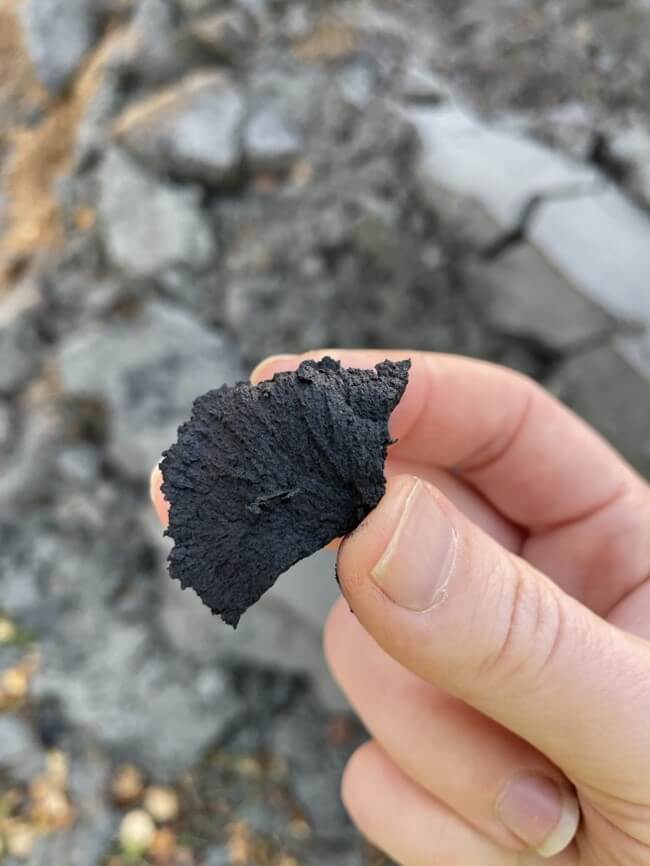
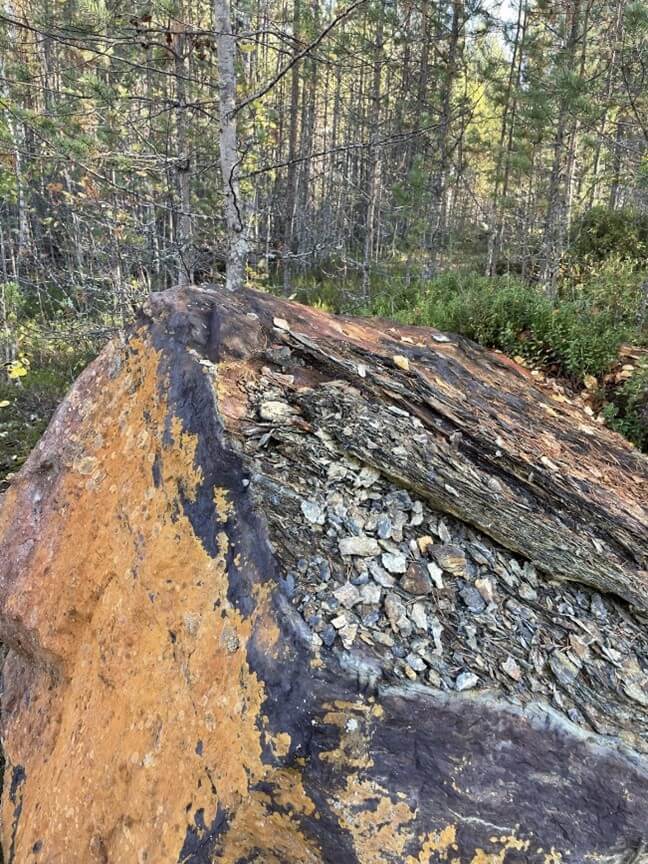
Iron is the fourth most abundant element in the Earth’s crust and occurs in many different minerals. The largest amounts are found in iron oxides and sulfides, but iron also occurs in dark silicate minerals. Iron sulfides (FeS and FeS₂) are common in black schist and acidic sulfate soils, which are significant sources of iron and metals in the coastal areas of Finland. Acid sulfate soils are also widely found in coastal and estuarine zones in Asia, Africa, Australia, and South America.
Iron is released from the soil into water bodies when minerals weather. Oxide minerals weather slowly, whereas sulfide minerals weather more rapidly under oxidizing conditions. This can lead to iron being transported to surface waters, where it can precipitate or bind to organic matter, depending on the conditions. Thus, soil iron processes are closely linked to the iron concentrations of water bodies and to human activity. Drainage changes soil conditions to oxidizing conditions and changes water transport routes, enabling, for example, the release of iron-rich groundwater directly into water bodies. When iron sulfides undergo oxidation, they generate sulfuric acid, which acidifies surrounding water bodies, enhances metal solubility, and consequently promotes iron leaching. Additionally, the oxidation of peat leads to the formation of humic substances, which facilitate the mobilization of iron.
The impact of land use on the iron cycle
When I began studying iron, I had no idea how complex a problem I would be facing. Iron is in constant flux in soil and water: it precipitates, dissolves, oxidizes, and reduces depending on the conditions. pH and redox potential control this chemical balance. Iron is also closely linked to carbon, phosphorus, and sulfur cycles, in which microbial activity can also play a central role. Chemical changes in the soil may seem invisible, but their effects extend far into water bodies.
When we lower the water table for construction or to improve the growth conditions of forests and fields, we are simultaneously changing the oxidation–reduction and flow conditions of the soil, which are factors that regulate the movement of iron.
My research investigates how different land uses, such as forestry, agriculture, and urban development, influence iron leaching and its transport into water bodies. At the same time, it offers a broader perspective on how we could manage iron loading and how we can plan land use in such a way that nature’s own retention mechanisms work in the best possible way.
28.10.2025