Pierre Jaouen, University of Oulu, Pierre.Jaouen@oulu.fi
When I first started thinking about returning to academia after several years in industry, the idea felt both exciting and intimidating. I had a stable job, a clear career path, and the comfort of predictability. Leaving all that behind for a temporary contract and the uncertainties of research was not an easy decision. Yet, something kept pulling me toward the idea of learning more, contributing to knowledge, and exploring questions that had no simple answers.
Finland made that leap possible. What could have been a daunting transition became an opportunity thanks to the country’s unique combination of free, high-quality education, progressive policies, and salaried PhD positions. Joining the DIWA program was especially appealing because it focuses on water resources, digitalization, and collaboration across sectors, themes that resonate deeply with my own values and professional experience. The journey has not been without challenges. Moving from the structured world of industry to the open-ended nature of academic research required patience, adaptability, and a willingness to embrace uncertainty. But as I reflect on my first year, I realize how beneficial this choice was. For anyone considering a similar path, Finland offers an environment where this transformation is not only possible but supported every step of the way.
Returning to academia after industry and supportive policies
After five years in industry, I started feeling the urge to learn something new and challenge myself in a different way. My work had been rewarding, but I missed the freedom to explore ideas without the constraints of deadlines and deliverables. That’s when the thought of returning to academia began to take shape.
Choosing Finland was not a random decision. Beyond its beautiful languages and winter landscapes, Finland offers something rare outside of Europe: high-quality education that is free. This alone removes a huge barrier for many professionals considering a PhD. But what really convinced me was the culture—Finland values work-life balance, flat hierarchies and autonomy. Here, it’s possible to combine professional and academic life without burning out, and that felt like the right environment for me to take this leap.
One of the most reassuring aspects of Finland’s system is opintovapaa, a study leave policy that allows professionals to take up to two years off to study at a Finnish university. Imagine being able to pursue a degree without giving up your job security. When I was offered a PhD position, I hesitated. Leaving a stable job for a temporary contract felt risky. But knowing that Finland had these supportive frameworks made the decision easier. It was a stark contrast to my experience in Japan, where employees have fewer rights, and taking time off for education is something I have never heard of. That difference in culture and policy was eye-opening and gave me the confidence to move forward.
The DIWA PhD Pilot & adaptation to a new chapter
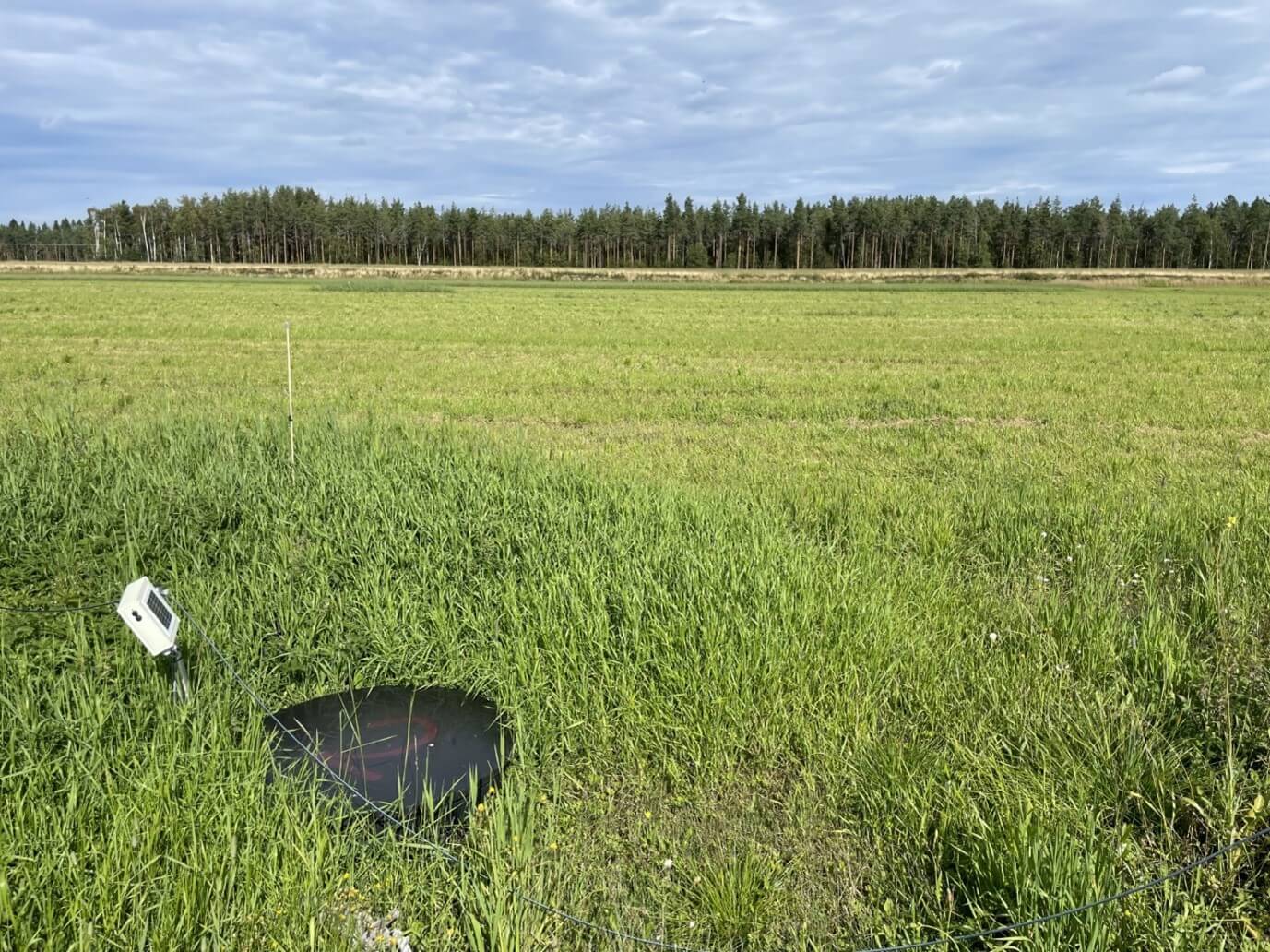
Eventually, I joined the DIWA PhD Pilot program, which focuses on water research and technology—a field where Finland is a global leader. My research topic focuses on control methods for drainage and irrigation in cultivated fields. What drew me in was its emphasis on sustainability, digitalization, and interdisciplinary collaboration, as they align perfectly with my own interests and the possibilities to use and expand my skills for a topic that matters –water. Another major advantage was financial stability. My PhD position is fully funded for three years, and I receive a monthly salary. That means I can focus on research without the constant stress of securing grants or juggling side jobs. For professionals considering a PhD, this is a huge relief and one of the reasons Finland stands out compared to many other countries.
Of course, the transition wasn’t easy. Moving from the structured world of industry to the open-ended nature of academic research was a shock. Suddenly, I had to manage my own time, set long-term goals, and work almost entirely independently. The first few months were tough—I often felt like my progress was too slow. But over time, I learned that this pace is normal in academia. The autumn semester was particularly intense: I attended a conference on water management control methods, published a related paper, and started drafting my second manuscript—all while taking university courses and participating in DIWA’s first special course. Looking back now, as my first year comes to an end, I can say with confidence that accepting this PhD opportunity was the right decision.
Where Ambition Finds Support – Finland
Finland’s approach to education and research reflects a broader cultural commitment to equality, innovation, and sustainability. By offering free education, flexible work arrangements, and financial support for doctoral candidates, Finland removes many of the barriers that professionals face when considering a return to academia. This creates an environment where research can thrive and where individuals can pursue knowledge without sacrificing financial security or personal well-being.
For professionals seeking to expand their expertise, contribute to global challenges, or simply embrace a new intellectual adventure, Finland provides an exceptional setting. The journey may be demanding but rewarding.
7.12.2025