Robel Bekele, University of Oulu. robel.bekele@oulu.fi
Emerging contaminants (ECs) are substances that have recently been detected in the environment and pose potential risks to human health and ecosystems. Unlike traditional pollutants, ECs are often not regulated, making their monitoring and management challenging. This blog explores the global occurrence of these contaminants and their associated health risks.
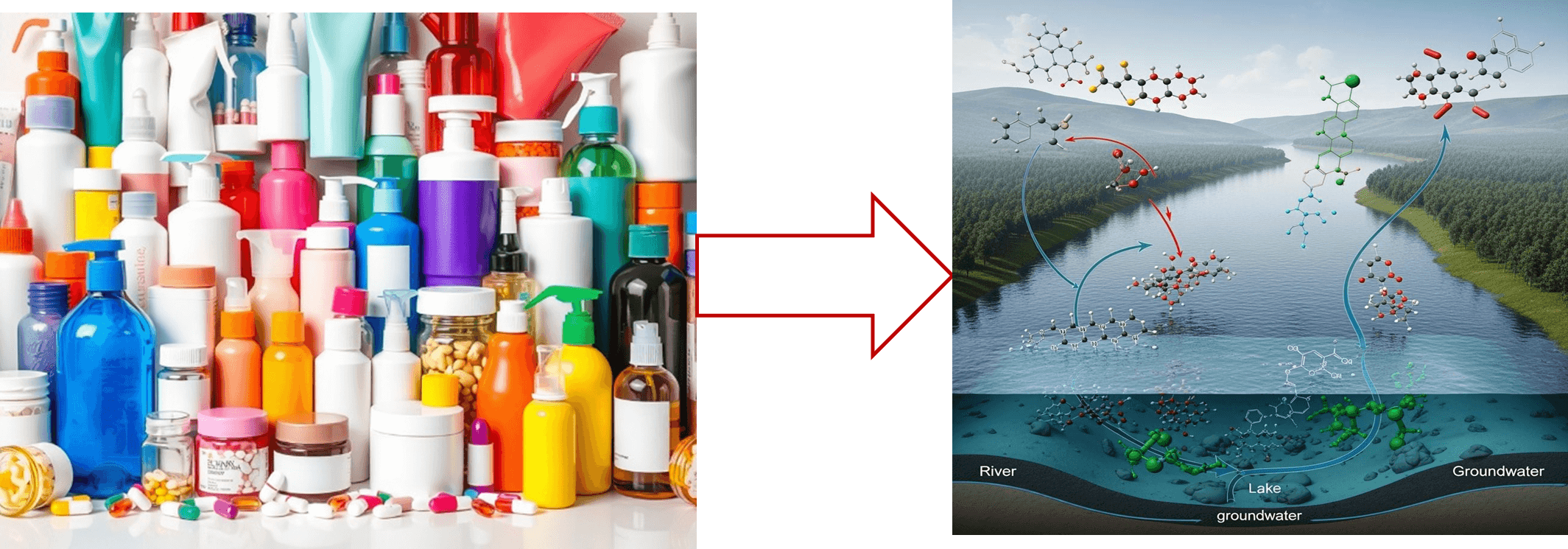
What are emerging contaminants?
Emerging contaminants include a wide range of substances, such as pharmaceuticals, personal care products, industrial chemicals, microplastics, and various nanomaterials. These compounds can enter the environment through wastewater, agricultural runoff, and other pathways. Their persistence and bioaccumulation raise concerns about their long-term effects.
Source of emerging contaminants
- Pharmaceuticals and Personal Care Products: These are often detected in surface waters and groundwater due to insufficient removal during wastewater treatment processes. Antibiotics and hormones are among the most concerning due to their potential to disrupt endocrine functions in wildlife and humans.
- Microplastics: These are ubiquitous in aquatic environments, originating from the breakdown of larger plastic debris and from products like cosmetics and synthetic textiles. Studies have shown microplastics in oceanic waters, freshwater bodies, and even in the air.
- Industrial Chemicals: Compounds such as per- and polyfluoroalkyl substances (PFAS) have been found in drinking water sources worldwide. These chemicals are resistant to degradation, leading to widespread contamination.
Geographic distribution
Emerging contaminants are not confined to any single region. They have been detected globally, from urban centers in North America and Europe to rural areas in Asia and Africa. However, the levels and types of contaminants can vary significantly based on local industrial activities, agricultural practices, and waste management systems.
Health risks
| Direct health impacts | Indirect health impacts |
|---|---|
| Pharmaceuticals: The presence of pharmaceutical residues in water supplies raises concerns about antibiotic resistance. Hormones can impact reproductive health and development, affecting both wildlife and humans. | Emerging contaminants can disrupt ecosystems, leading to loss of biodiversity and the alteration of food webs. |
| Microplastics: While research is ongoing, microplastics have been linked to physical and chemical toxicity. Ingested microplastics can cause inflammation and other health issues in aquatic life, which may subsequently affect human health through the food chain. | Since emerging contaminants can disrupt ecosystems, this can have cascading effects on food security and public health, particularly in communities reliant on local water sources for drinking and agriculture. |
| PFAS: Known as “forever chemicals,” PFAS have been associated with various health risks, including cancer, immune system effects, and developmental issues in children. Their persistence in the environment complicates efforts to mitigate these risks. |
The global occurrence of emerging contaminants presents significant challenges for public health and environmental management. As awareness grows, it is crucial for governments, industries, and communities to collaborate on monitoring, regulating, and mitigating the impacts of these substances. Ongoing research and innovation in treatment technologies will be essential to safeguard both human health and the environment in the face of these emerging threats.
Individuals must stay informed about emerging contaminants and advocate for stricter regulations and better waste management practices. By supporting sustainable practices and raising awareness, we can contribute to a healthier planet for future generations.
9.7.2025.