News

Significant milestone achieved in the Doctoral education pilot: Doctoral Researchers publish their first research articles

DIWA Webinaari sarja
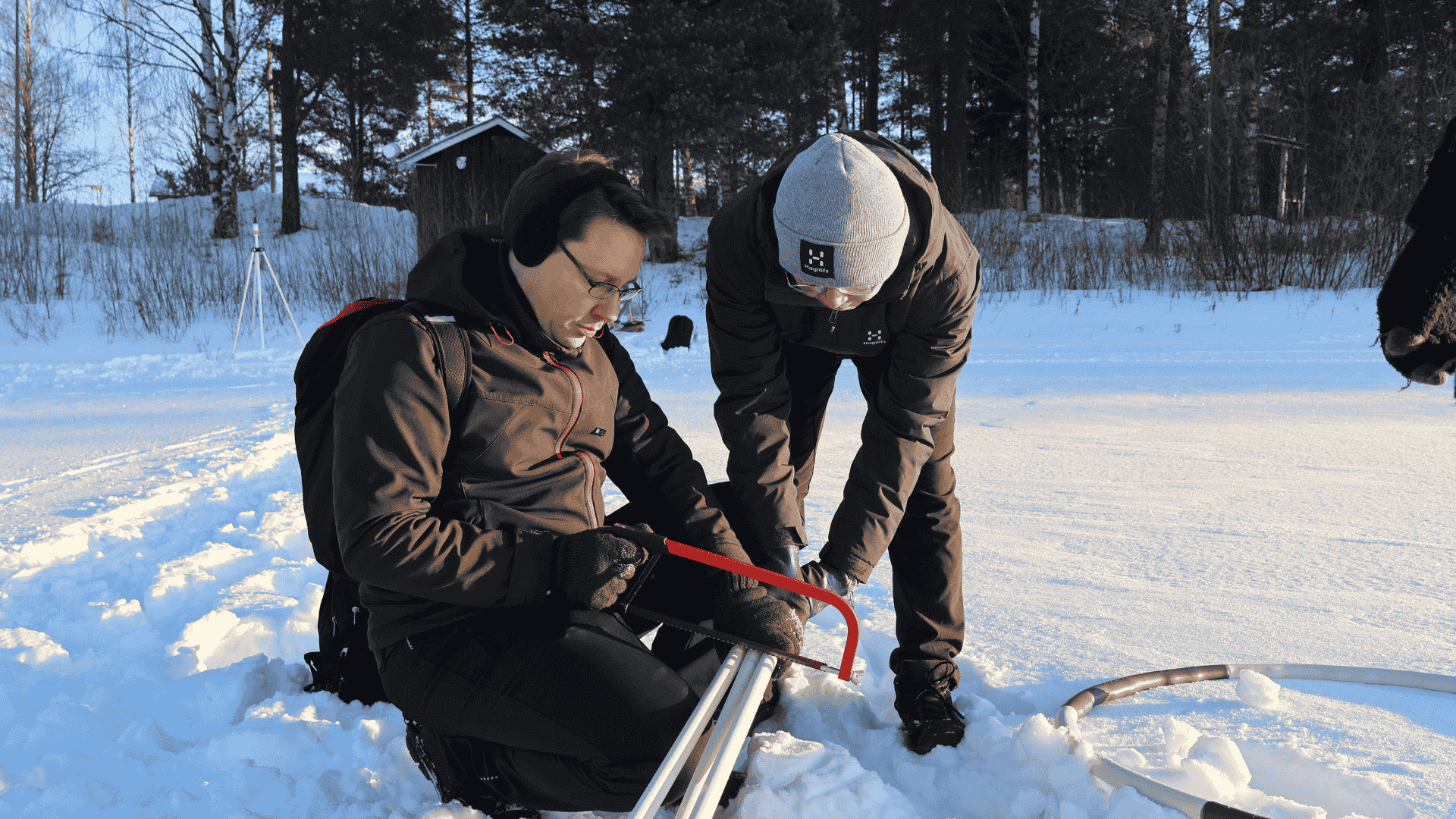
Doctoral researchers Janne Torvela & Jiahui Qiu making preparations for the installation of a research device. Photo: Hanna Holappa

The Digital Waters doctoral education pilot has delivered results: Doctoral researchers have completed their first research articles, and progress toward the doctoral degree has accelerated. The completion of these articles demonstrates that obtaining a doctoral degree within three years is possible. Behind this success are expert supervision, support from the research community, and collaboration with partners outside the university.

In the pilot, several doctoral researchers have published their first research articles. These articles have emerged from a variety of flagship research areas, covering topics such as hydrology, wastewater management, ecology, water management, modeling, digitalization, robotics, and remote sensing.

In the national doctoral training pilot for 2024–2027, approximately 1,000 new Doctoral researchers have been recruited to universities to pursue their doctoral degrees. In the pilot, universities are developing and renewing doctoral training practices. This initiative is based on the recommendations of the parliamentary RDI (Research, Development, and Innovation) working group and commitments in the government program…

9.2.2026
Share the Post:

Related Posts

National modelling seminar 10th of December 2025

The national modelling seminar 2025 brings together researchers, experts, and practitioners working with hydrological and water resource models. The aim is to share research, practical experiences, and new ideas to support better use of models in water and environmental management. Join the National Modelling Seminar on the 10th of December

Geology is fascinating – and absolutely, terrifying. A non-geologist perspective from the Nordic Geological Winter Meeting 2026.

Text & Images: Annukka Pekkarinen, University of Turku. Photo 1. The receiver of the Nordic Geosciences Award 2026, Karin Andreassen, from UiT, and the chair of the scientific committee, Riikka Kietäväinen from HY. My work as the research coordinator, particularly specializing in interaction and communication, allows me to follow scientists